Mental Health Matters: Noticing The Signs

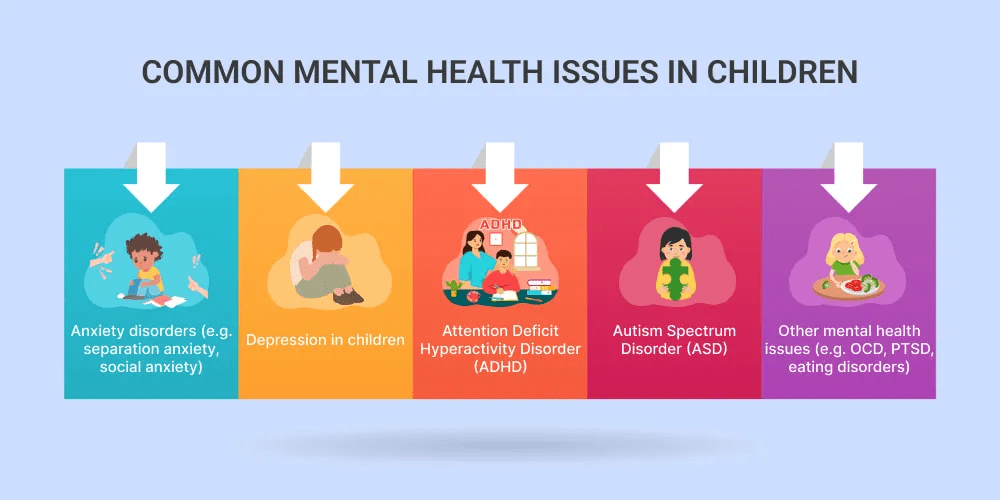
When we support children with disabilities, it’s not always easy to recognise when something isn’t quite right. Every child communicates differently, and distress and anxiety doesn’t always look the way we expect it to.

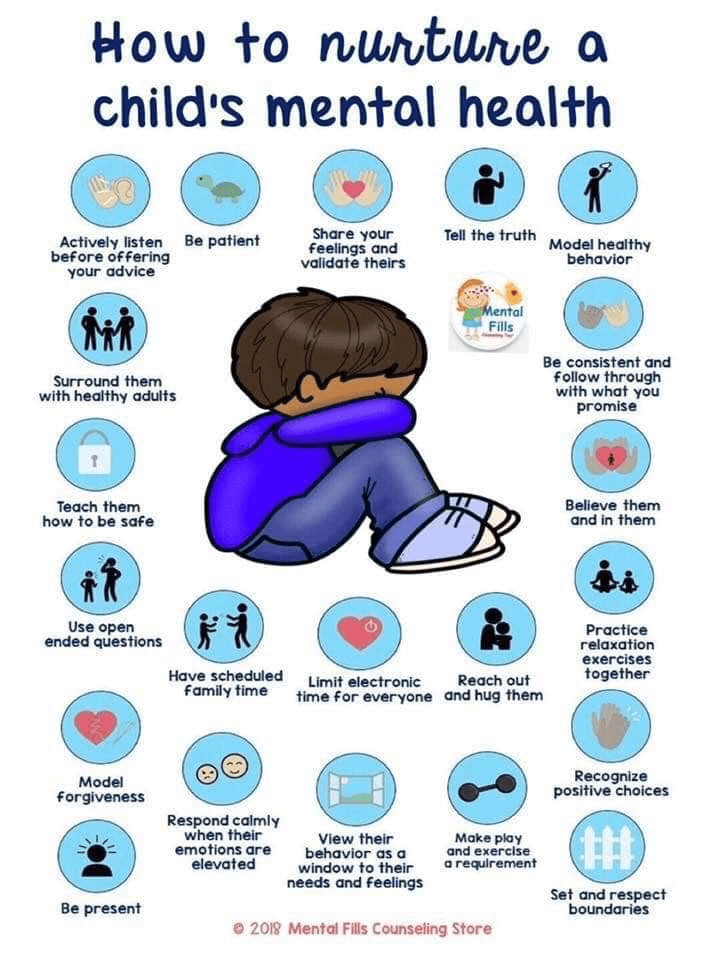
But it helps to remember that: every change matters. Every small difference like; shifts in behaviour, mood, connection, or physical wellbeing are worth noticing with curiosity and care.

You might see:

  • changes in mood or behaviour (more withdrawn, irritable, or losing interest in things they used to enjoy)
  • becoming overwhelmed more easily or finding it harder to cope with stress
  • changes in sleep or eating
  • more physical complaints like headaches or tummy aches
  • pulling away from people or activities
  • increased anxiety, worry, or fear
  • expressions of distress or hopelessness (in whatever way your child communicates)
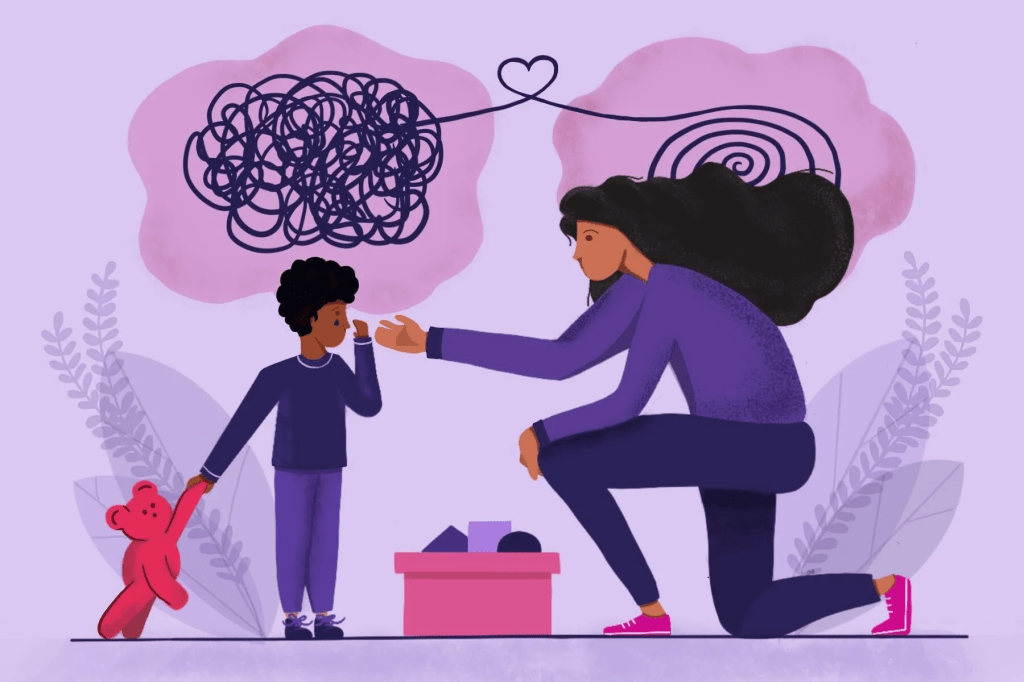
For some children, especially those who are non-speaking, these signs can be subtle and show up through behaviour rather than words. If something feels different, or your gut is telling you something has shifted, respond to that quickly. You know your child best, and noticing these small changes is an important first step in helping them feel safe, understood, and supported.

The first step truly isn’t about having all the answers: it’s simply reaching out.

You might consider:

  • having a gentle conversation with your child’s school or teacher to share what you’ve noticed and see what they’re observing
  • connecting with your child’s allied health team (such as their psychologist, speech pathologist, positive behaviour practitioner or occupational therapist)
  • speaking with your child’s paediatrician or GP to explore what might be going on
  • keeping track of changes over time, so you can build a clearer picture of patterns or triggers

Often, it’s the shared understanding across home, school, and supports that helps things make more sense. It also shares the burden, so you don’t have to do it all on your own. Support is there to help you piece things together and find a way forward that feels right for your child. And just as importantly, be gentle with yourself in this process. You don’t have to have all the answers: noticing, wondering, and reaching out are all meaningful steps.
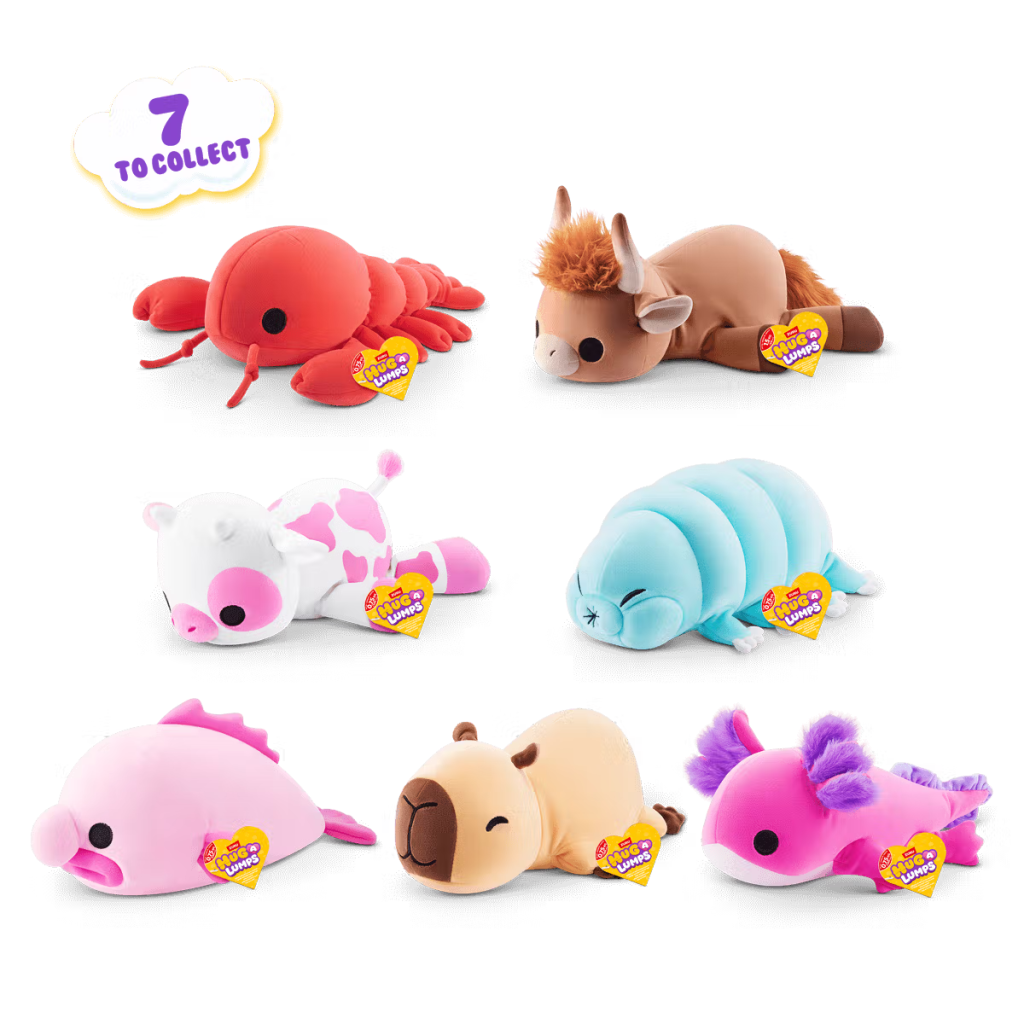
Weighted Toys (Anxiety Strategies)

Weighted toys, such as weighted soft toys or lap pads, can help ease anxiety through something called deep pressure stimulation. This is the same principle behind weighted blankets. Deep pressure is also associated with the release of serotonin and dopamine, chemicals that support mood and wellbeing. Serotonin is a precursor to melatonin, which helps explain why weighted items can also improve sleep.

When gentle, evenly distributed pressure is placed on the body, it stimulates pressure receptors in the skin. These receptors send signals to the brain that activate the parasympathetic nervous system, our “rest and digest” system. This can slow the heart rate, lower blood pressure, reduce cortisol (the stress hormone), and create a sense of calm and safety. In simple terms, the body receives the message that it is safe.

For children and adults who experience sensory processing differences or heightened anxiety, steady, predictable pressure provides important proprioceptive input, or body awareness. This grounding sensation can reduce fight or flight responses and help the nervous system settle. For this reason, weighted toys are often used in autism support, ADHD regulation, trauma-informed settings, and for generalised anxiety.

There is also a psychological component. Holding something weighted can feel containing and secure, similar to a firm hug. Physical containment often supports emotional containment. Research on weighted blankets and deep pressure therapy shows reduced physiological arousal, improved sleep, and reported reductions in anxiety. The evidence is strongest for sensory regulation, with growing support for anxiety management.

Weighted toys work especially well for children because they are portable, non-clinical, and comforting. They combine sensory regulation with emotional reassurance, which can be a powerful support for an anxious nervous system.

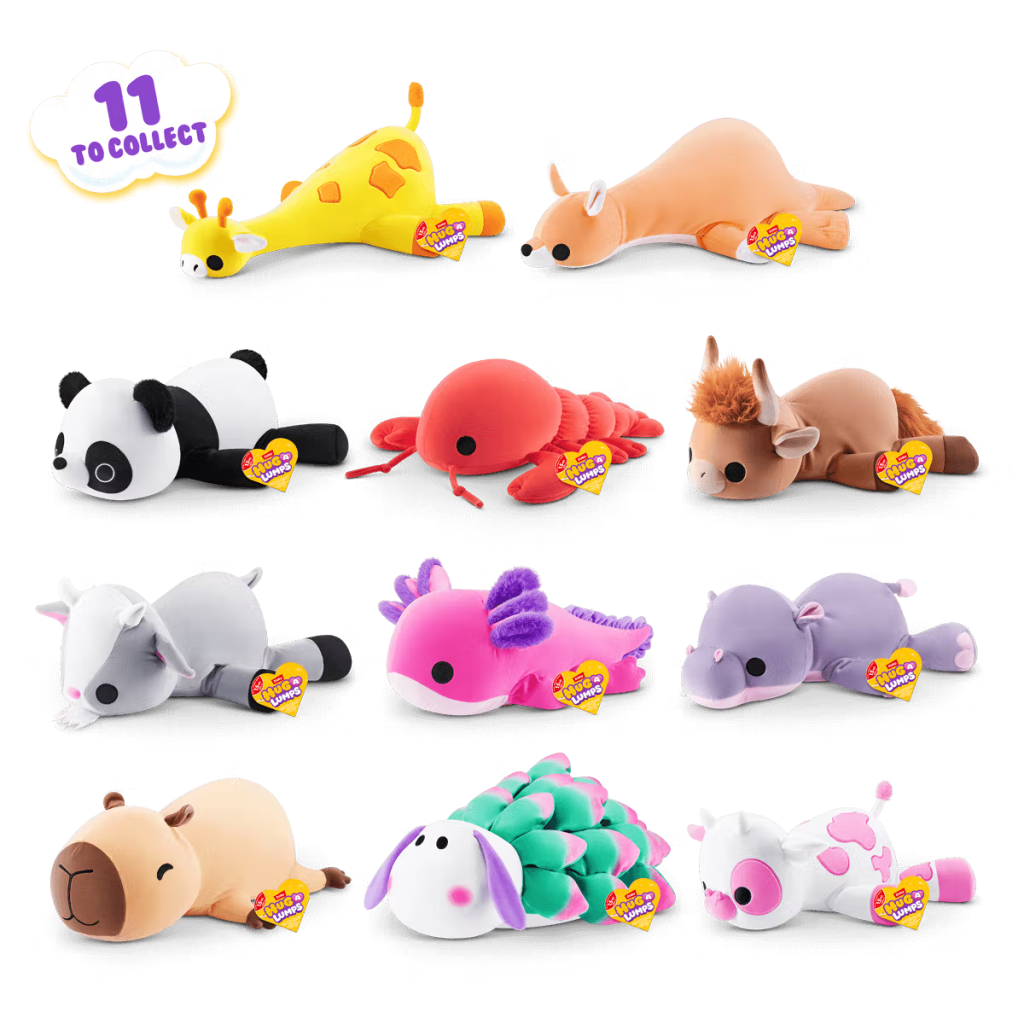
From a personal perspective, my son uses the medium sized Hug-A-Lumps which weigh 1.5kg, the smaller version pictured above weigh .75kg. He finds these weighted toys extremely comforting and uses them all day to help with his regulation as he has high levels of anxiety. I also use the smaller version of Hug-A-Lumps in my classroom practice with year 3 and 4 students, these are very popular and widely used by the students, especially those who are neurotypical. They promote better focus and regulation throughout the day, while looking cute and not at all out of place within a primary classroom environment.