Weighted toys, such as weighted soft toys or lap pads, can help ease anxiety through something called deep pressure stimulation. This is the same principle behind weighted blankets. Deep pressure is also associated with the release of serotonin and dopamine, chemicals that support mood and wellbeing. Serotonin is a precursor to melatonin, which helps explain why weighted items can also improve sleep.
When gentle, evenly distributed pressure is placed on the body, it stimulates pressure receptors in the skin. These receptors send signals to the brain that activate the parasympathetic nervous system, our “rest and digest” system. This can slow the heart rate, lower blood pressure, reduce cortisol (the stress hormone), and create a sense of calm and safety. In simple terms, the body receives the message that it is safe.
For children and adults who experience sensory processing differences or heightened anxiety, steady, predictable pressure provides important proprioceptive input, or body awareness. This grounding sensation can reduce fight or flight responses and help the nervous system settle. For this reason, weighted toys are often used in autism support, ADHD regulation, trauma-informed settings, and for generalised anxiety.
There is also a psychological component. Holding something weighted can feel containing and secure, similar to a firm hug. Physical containment often supports emotional containment. Research on weighted blankets and deep pressure therapy shows reduced physiological arousal, improved sleep, and reported reductions in anxiety. The evidence is strongest for sensory regulation, with growing support for anxiety management.
Weighted toys work especially well for children because they are portable, non-clinical, and comforting. They combine sensory regulation with emotional reassurance, which can be a powerful support for an anxious nervous system.
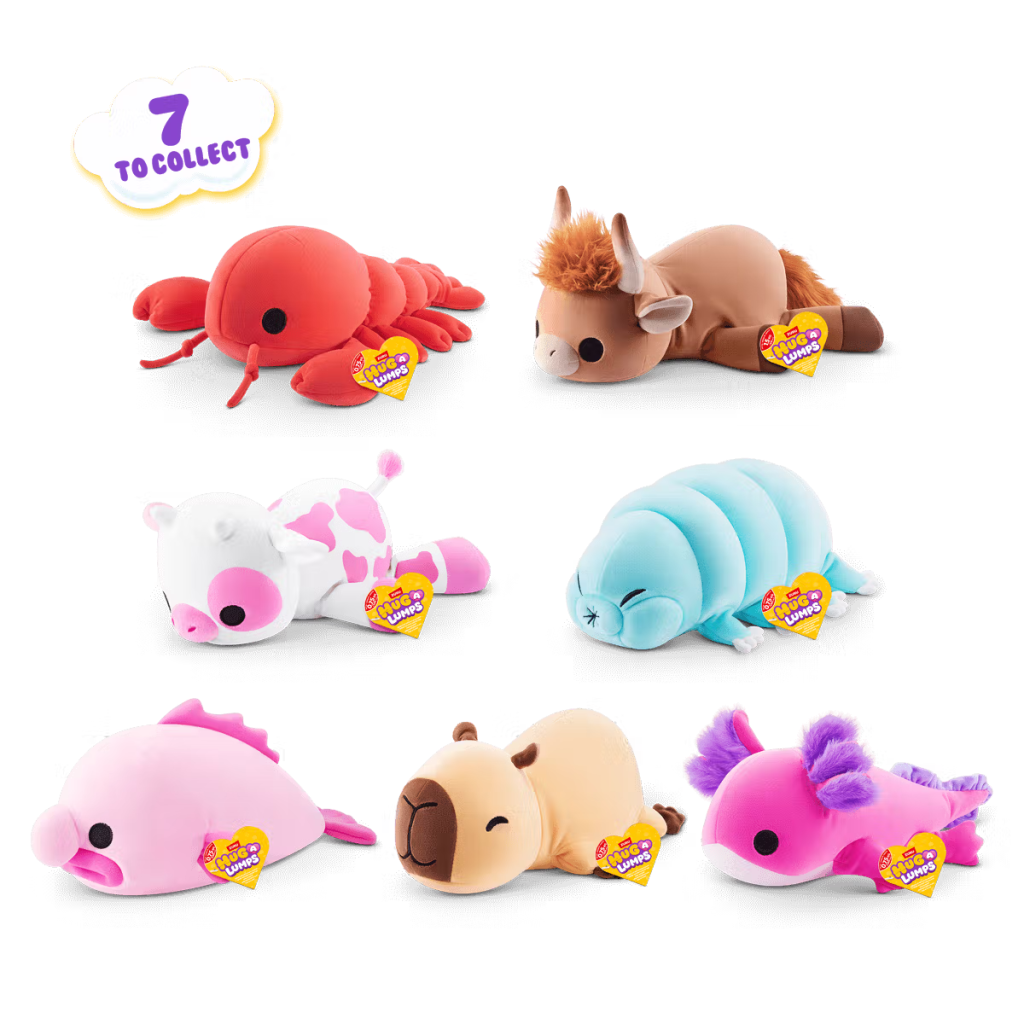
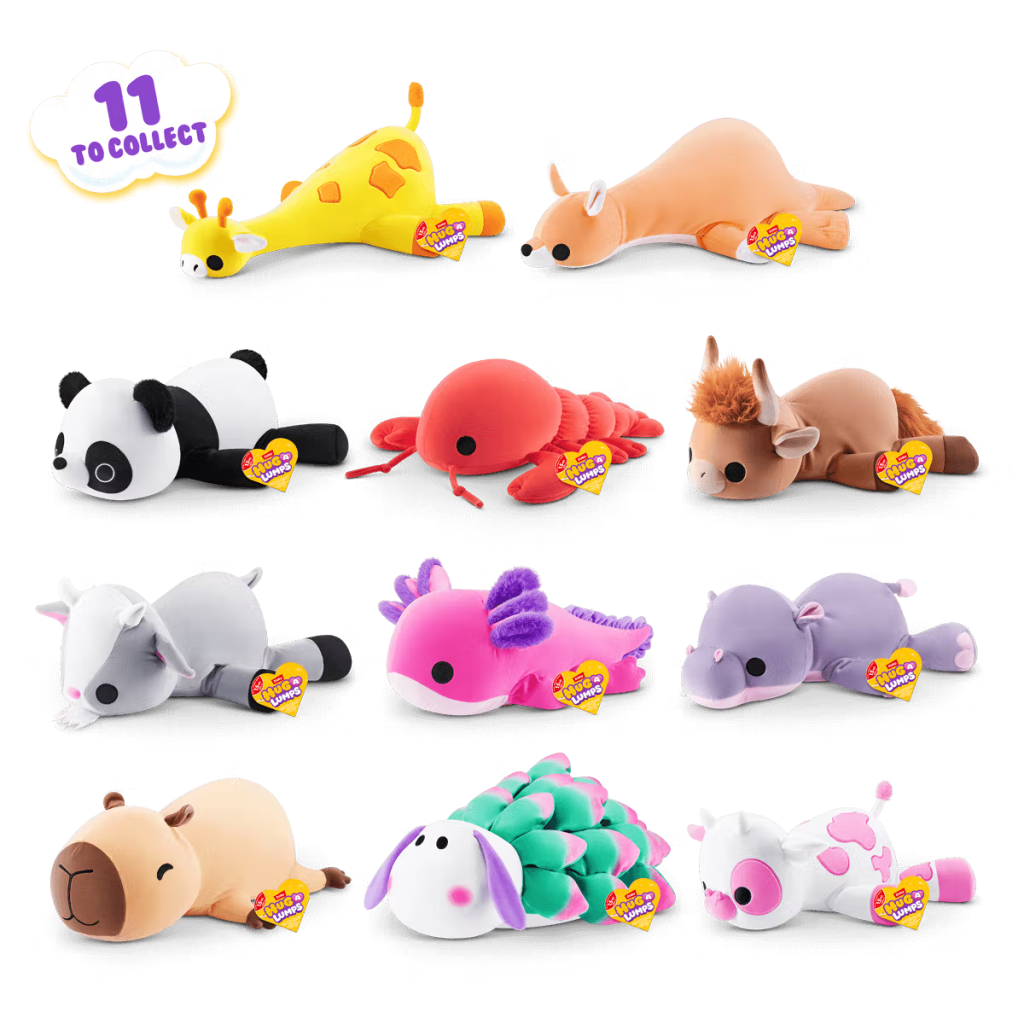
From a personal perspective, my son uses the medium sized Hug-A-Lumps which weigh 1.5kg, the smaller version pictured above weigh .75kg. He finds these weighted toys extremely comforting and uses them all day to help with his regulation as he has high levels of anxiety. I also use the smaller version of Hug-A-Lumps in my classroom practice with year 3 and 4 students, these are very popular and widely used by the students, especially those who are neurotypical. They promote better focus and regulation throughout the day, while looking cute and not at all out of place within a primary classroom environment.
 rebeccaturleamilliondreams.org