Self-Care for Carers

Raising a child with a disability can be incredibly stressful. It is well known that chronic stress can cause many health issues, ranging from sleeping difficulties, chronic anxiety, clinical depression and a weakened immune system. While anything medical should be seen to by a doctor, it is also important to look at your life holistically and practice some self-care when you can.

For example:

  • Taking at least one hour of time to yourself a week to do things you enjoy – get a massage, read a book, watch a show/movie,
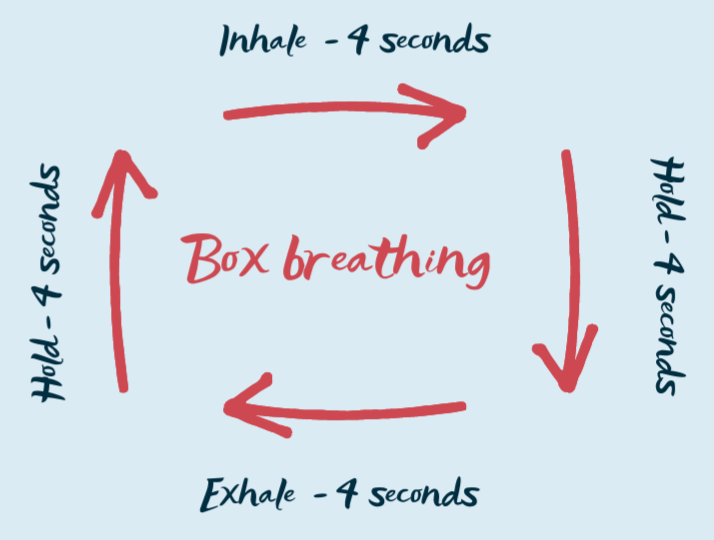
  • Incorporating a short practice of mindfulness into your daily routine – Box Breathing can help reduce stress and calm feelings of anxiety.
  • Mapping out your network of support so you know who to call upon when you’re in need of some assistance
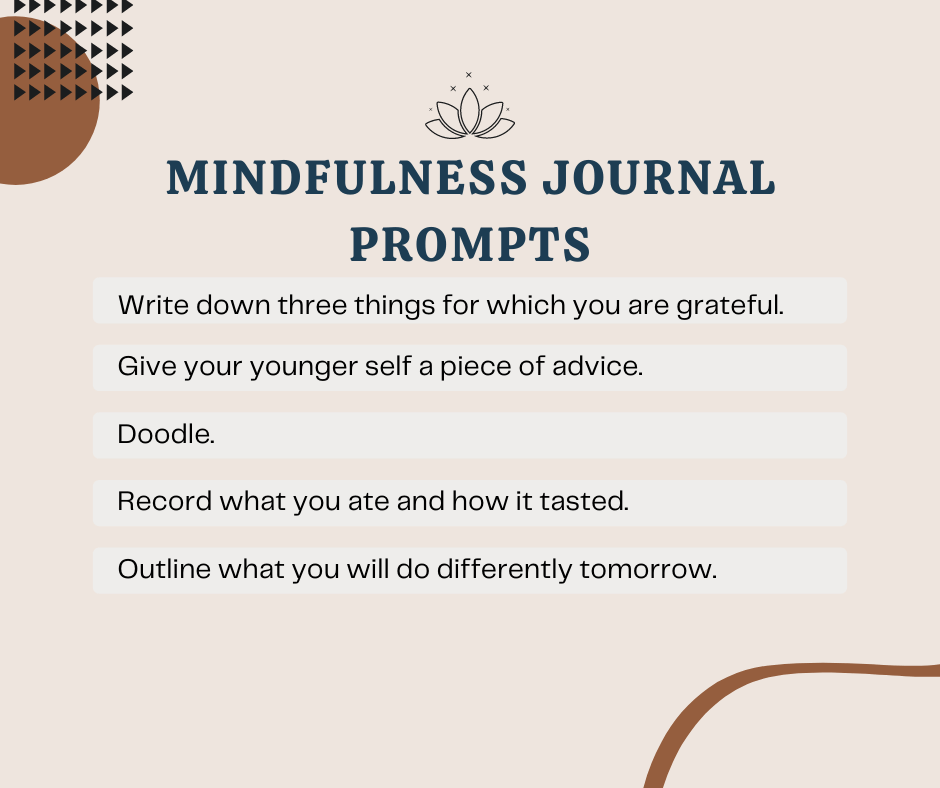
  • Engaging in a practice of self-reflective journaling

School Refusal

Should we force a child to go to school?

In short, no. Working together with your child and addressing the reasons they don’t want to go to school should be the priority. It is important that they feel safe and that their well-being is important to you.

It is recommended that a dialogue is opened with the child. Questions should be asked so you can get to the core reason that school refusal is taking place.

Possible questions:

  • If you could change one thing about your school, what would it be? 
  • Is there anyone bothering you at school?
  • How can I help you with school?
  • Are you worried about anything at school? 
  • How are your friendships at school going? 
  • Is anything worrying you in general?
  • Is there anything you wish your teachers knew?
  • Is there anything you wish I knew?

Strategies for dealing with school refusal:

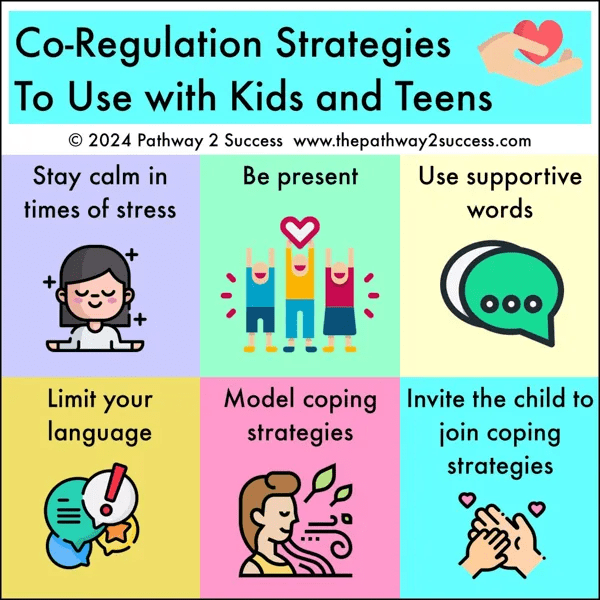
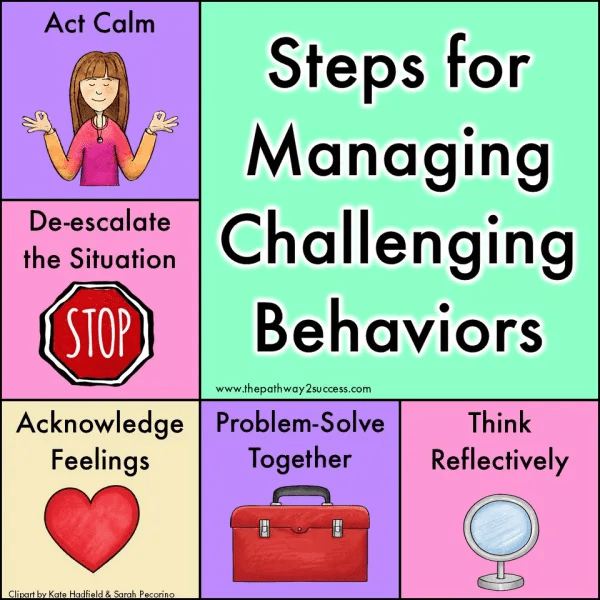
  • Stay calm – This leaves space for your child to come to you in a calm way themselves.
  • Use positive language – For example, instead of ‘are you going to get up and go to school today?’ try ‘what shall we do after school today?’.
  • Debrief daily – Open the lines of communication for your chid to share what might be bothering them.

School refusal can be very complex:

  • Get professional guidance – starting with school staff. Speak to the class teacher, school counsellor, student services so you can work together as a team to help your child overcome their anxiety.
  • Speak to your doctor/paediatrician and get the support of a psychologist or counsellor who may also help to unlock why your child is not attending school and help address the problem of getting them back to school with their well-being in mind.

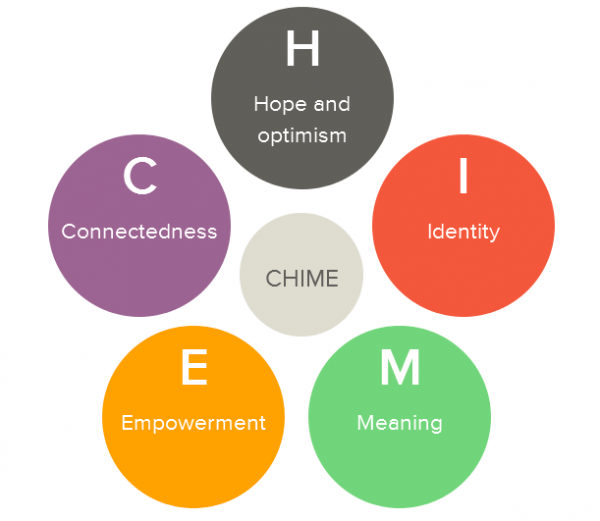
CHIME – A Framework for mental health recovery

Connection

Contact with peers

Good relationships

Support from others

Being part of the community

Hope

Optimism about the future

Believing in health

Feeling motivated

Positive thinking

Having dreams and aspirations

Identity

Having a positive sense of yourself

Feeling able to be yourself

Dealing with stigma

Seeing the whole person

Meaning

Making sense of your experiences

Knowing what’s important to you

Having purpose

Understanding your world

Feeling valued

Empowerment

Being responsible for your own wellbeing

Feeling capable

Being able to see your strengths

Learning by doing

Anxiety Strategies & Techniques – (3-3-3)

I will be writing a series about some simple techniques which could help children and adults with triggered anxiety to help manage their symptoms. (Please note that severe anxiety which is impacting significantly on a person’s life may need the intervention of medical professionals and trained therapists).

The 3-3-3 technique is a wonderful tool to use with children as it is easy for them to remember. The objective is for them to feel more mindful, focused and grounded when their anxiety is starting to feel overwhelming.

3-3-3 involves the person identifying 3 objects around them they can see, 3 things that they can hear and moving 3 body parts (ie their fingers, wrists and toes). It works to reconnect the person with their physical surroundings and become aware of their body movements instead of their symptoms of anxiety like intrusive thoughts. Some steps from Choosing Therapy:

Step 1: Focus on 3 Objects You Can See

Focusing on things that you can see helps you become visually aware of your surroundings. You can notice big objects such as a tree or a chair, or you can look for smaller, more discreet objects such as a pencil or a coin. The idea isn’t necessarily to have objects in mind that you want to see, but rather to focus on the world around you. This helps you deal with your anxiety by removing you from the mental chatter causing you stress.

Step 2: Focus on 3 Things You Can Hear

Pinpointing sounds is another great way to help you deal with anxiety. Diverting your attention to your environment can help you transition from a state of inward thinking to one in which you’re connected to your surroundings instead. However, depending on your location, you may have a hard time isolating sounds. Some things to listen for include a clock ticking, clacking of keys on a keyboard, or someone sniffling. If you are somewhere outdoors, you may notice leaves rustling in the wind, cars passing by, or dogs barking.

Step 3: Focus on 3 Things You Can Touch/Move

Lastly, find three things that you can touch or move. These can be within your reach or even parts of your body. Identifying tangible items is one of the fastest ways to ground yourself when you’re feeling anxious. Teaching yourself to focus on the physical environment helps you feel anchored and reminds you to be present.

Beyond Nuggets – Food Aversion

Many children with ASD have very particular food palates and this can cause a lot of stress at home when this palate will not go beyond their restrictive favourites – often chicken nuggets which are dry, crunchy and very predictable in smell and texture.

I often get asked how to help children explore different foods and this is not a simple process. Often aversions can be related not only to texture, but the mixing of foods (ie spaghetti bolognaise), the temperature and how it is presented. For instance, eating a strawberry may not be palatable using fingers but may be accepted using a fork or given pureed in a fruit pouch. Experimenting with different cutlery, divided food dishes (so foods are not touching) and in different forms is a good first step.

The “SOS Approach To Feeding” could be tried to help expand a child’s view of food. This can be a very slow process and needs a lot of time and patience. Please do speak to a qualified speech pathologist or eating therapist who can help guide you through the steps if you need more assistance and support.

Getting Started

Step 1 Choose the right food to encourage: Consider some foods that are similar to the ones that your child already tolerates eg if they like chicken nuggets, try chicken schnitzel and also choose a food to try that is as consistent and familiar as possible.

Step 2 Start at a distance: Present the food away from your child, then move it closer once tolerated.

Step 3 Discover the food together: What are its colours, texture, temperature etc?

Step 4 Get closer: If your child feels confident, they may be able to move the food with a utensil, pick it up with their fingers or touch it to their body (on their arm or leg, for instance) or face. It’s important that all exploration is done in a fun and playful manner as we learn most, and will challenge ourselves most, when we are having fun.

Step 5 Once it feels ok to have a food around the mouth, you might be able to touch or hold it with the lips, then a lick or three seconds on the tongue.

Step 6 Rockets and Spit Cups: Once your child feels comfortable playing and exploring with food around their mouth, it’s time to include rocketing (spitting it out with some force while you yell rocket!) into the bin and using a spit cup. The spit cup is especially helpful as it will allow your child to taste, bite or crunch a food without pressure to swallow it. From there, multiple chews may be possible and eventually a swallow.

Calming Sensory Strategies

Here are some simple yet effective calming strategies to help your kids regulate when overwhelmed:

Music Playing gentle music is soothing and allows the brain to fall back into a gentle pattern.

Other Sounds Waterfalls, soft drumming, nature sounds – try finding them on YouTube.

Lighting Soft lighting – fairy or dimmable night lights.

Mindful Colouring or reading.

Connect with Nature Go for a walk, create a treasure hunt and collect different objects you find or play a game of ISpy.

A mindful walk Listening to the sounds around you, looking at colours, taking in the different smells.

Playing with balloons Keep the balloon off the ground but have them move slowly and gently.

Texture bag Place several small objects in a bag. Have your child reach in and touch an object, one at a time, and describe what they are touching.

School Holiday Survival Guide

As the summer holidays approach, this time can be a cause of anxiety for children who are out of routine for 8 weeks as well as their parents and caregivers who may struggle to find things to do.

When you have the added stress of having a child with a disability, activities which other children and their families find fun could have the complete opposite affect due to extra crowd numbers and noise.

Every child is different, so finding the right activity is important. Here are some Adelaide (and surrounds) based activities to consider:

AT HOME

  • Arts and Craft – craft activities, painting, drawing, stickers, chalk
  • Water Play – buckets, cups, boats, balls, paintbrushes
  • Build a Castle – pillows, chairs, table, sheets
  • Create a Reading/Play Nook – move furniture, blankets, pillows, books
  • Sensory Play – shaving foam, play-doh, floof, slime, magnetic sand
  • Gross Motor Play – trampoline, fitball, musical instruments
  • Cooking

FREE COMMUNITY ACTIVITIES

PAID COMMUNITY ACTIVITIES

Helping Special Needs Parents

Caring for a child with special needs is challenging. It can also be thankless, relentless and make parents feel invisible within their friendship groups and families.

The best way to support carers is by making them feel like they are not alone in their struggles. Joining groups that are designed with carers in mind is a good option. I am a big advocate of Carers SA, soon to become the Carer Gateway in April 2020. However, not everyone wants to be a part of a group situation, preferring 1-1 support and familiar people only.

It is important to provide carers with choices about the type of support they need. It might be a peer support group, 1-1 counselling, carer outings or simply family and friend gatherings in supportive environments.

Providing a safe environment for the carer and the person they are caring for will be greatly appreciated and may work to ease the social isolation that many carers feel in their role. Planning inclusive events may require a little extra effort but asking questions of the carer about what would make it a more successful event for them, will go a long way in helping them feel enjoyment and a sense of belonging.

Here are some other practical ways you can help special needs parents.