Teaching Children with ASD and ADHD: What Actually Helps?

Supporting students with Autism Spectrum Disorder (ASD) and Attention-Deficit/Hyperactivity Disorder (ADHD) isn’t about doing more, it’s about doing things differently, intentionally, and consistently.

Here are some approaches that can truly make a difference in the classroom:

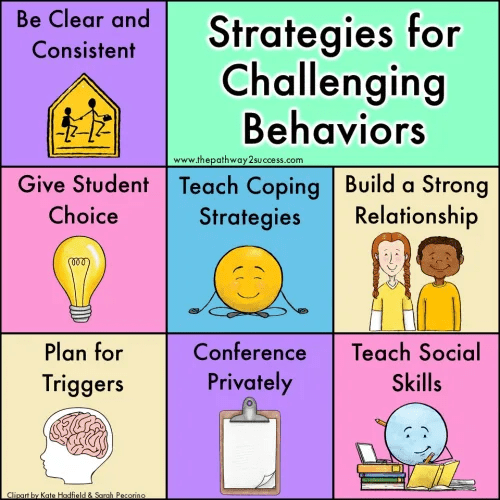
1. Relationship First and Always
Before any strategy works, connection comes first.

Students with ASD and ADHD often experience school as a place where they are misunderstood or ‘getting it wrong’. When a teacher takes time to build trust, learning interests, noticing strengths, being genuinely warm, it changes everything.

  • Greet them by name
  • Show interest in what they love
  • Be a safe, predictable adult

Connection reduces anxiety and anxious brains don’t learn well.

2. Patience is Not Passive

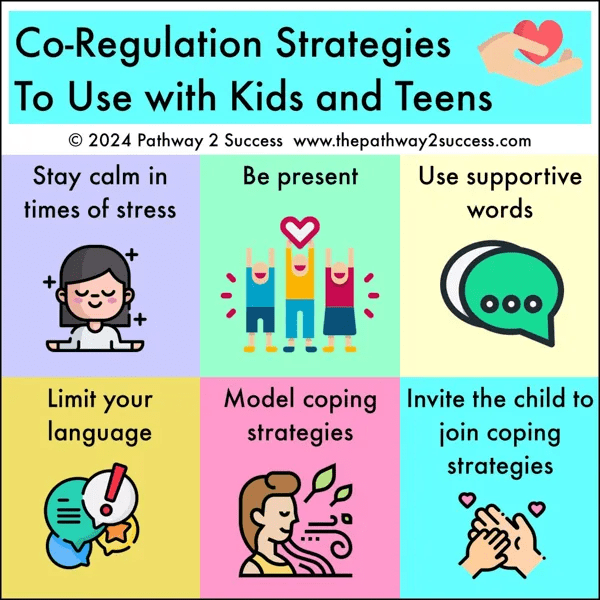
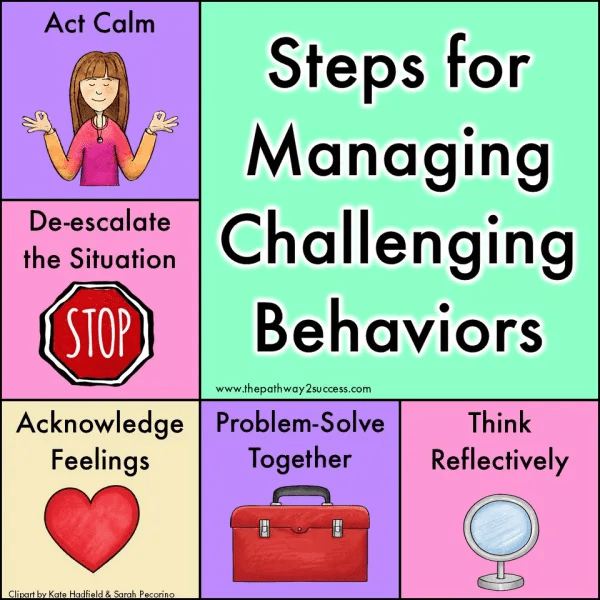
Patience isn’t ‘waiting it out’, it’s actively supporting regulation.

Processing time may be slower. Transitions can feel overwhelming. Emotional responses may be bigger or faster.

  • Allow extra time to respond
  • Avoid rushing or repeated demands
  • Stay calm when they are not

Your regulation becomes their regulation.
3. Clear, Simple, Predictable Instructions

Many students with ASD/ADHD struggle with working memory and processing.

  • Give one / two instructions at a time
  • Use clear, concrete language
  • Pair verbal instructions with visuals where possible

Instead of: ‘Get ready for your next task
Try: ‘Pack your book away, then line up at the door

4. 1:1 Support (Even in Small Moments)

Not every child will have formal support, but small moments of individual attention matter.

  • Check in quietly at their desk or invite them to work with you
  • Pre-teach instructions before whole-class tasks
  • Revisit instructions and learning during the lesson

These micro-moments can prevent overwhelm and build confidence.

5. Catch Them Getting It Right

Students with ASD and ADHD often hear more correction than encouragement.

Make praise specific and immediate:

  • ‘I noticed you started your work straight away, that’s fantastic’.
  • ‘You worked really hard on that even when it was tricky, well done’.

This builds motivation, self-esteem, and willingness to try.

6. Support Regulation, Not Just Behaviour

Behaviour is communication.
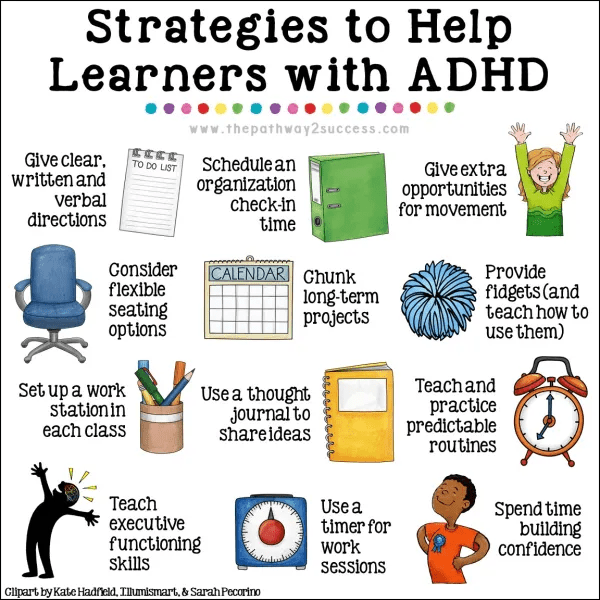
Instead of asking, ‘How do I stop this’?
Ask yourself, ‘What is this student telling me’?

  • Provide movement breaks
  • Offer quiet spaces
  • Use sensory tools where appropriate
  • Allow flexibility when overwhelmed

A regulated student can access learning. A disregulated one cannot.

7. Flexibility Over Compliance

Rigid expectations can create unnecessary stress.

  • Offer choices where possible
  • Adjust workload if needed
  • Be flexible with how work is completed

Fair doesn’t always mean equal, it means giving each student what they need to succeed.

8. Structure Creates Safety

Predictability reduces anxiety.

  • Use visual schedules
  • Prepare students for changes in routine
  • Give countdowns before transitions

Even small warnings like ‘5 minutes until we pack up’ can prevent distress.

9. Work With, Not Against

Collaboration is key.

  • Speak with parents/carers
  • Consult with allied health professionals
  • Share strategies across settings

Consistency across environments helps students feel secure and understood.
10. See the Child, Not Just the Diagnosis

Every child with ASD or ADHD is different.

  • Focus on strengths and interests
  • Avoid assumptions
  • Stay curious

These students often bring creativity, deep focus on passions, honesty, and unique perspectives to the classroom.

Final Musings

Supporting students with ASD and ADHD isn’t about having all the answers, it’s about intentional kindness, consistency, and understanding.

When students feel safe, seen, and supported, learning follows. And remember that this applies to all students, diagnosed or not.
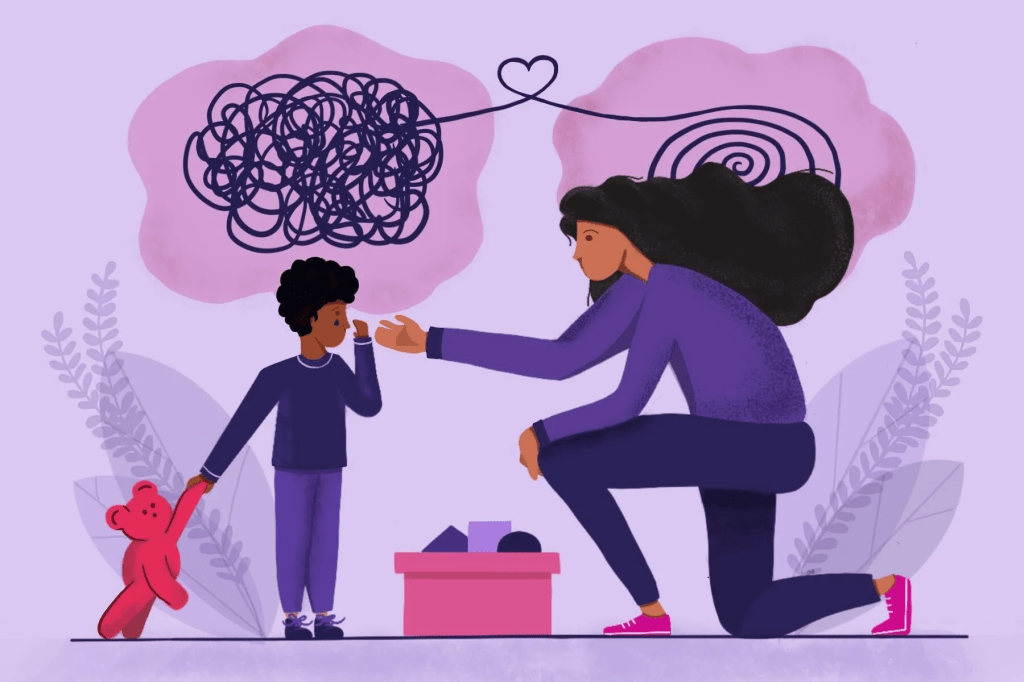
Mental Health Matters: Noticing The Signs

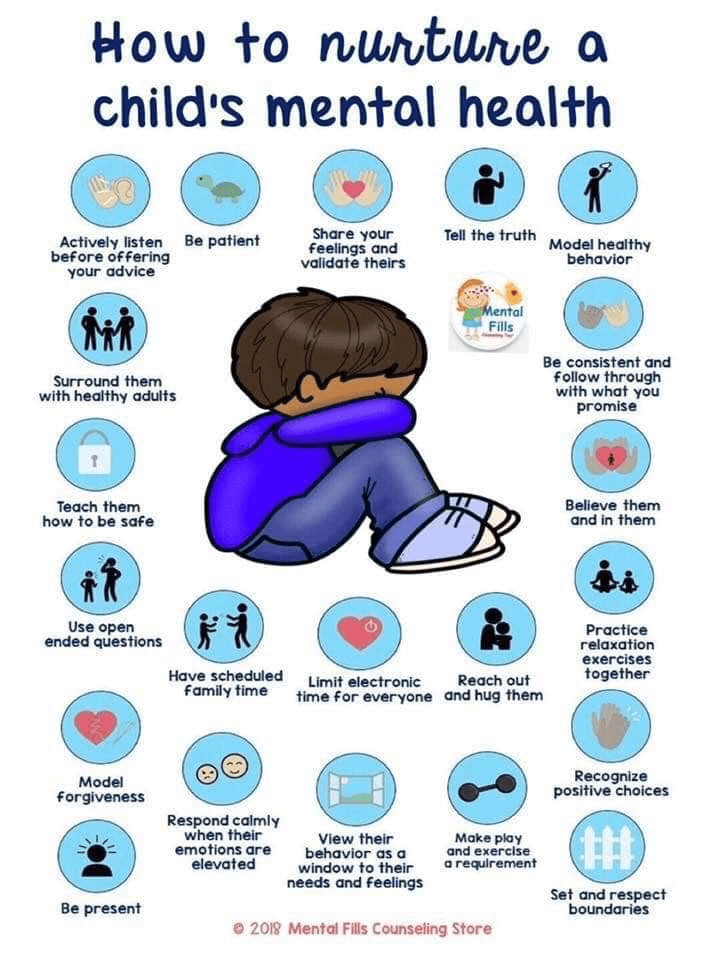
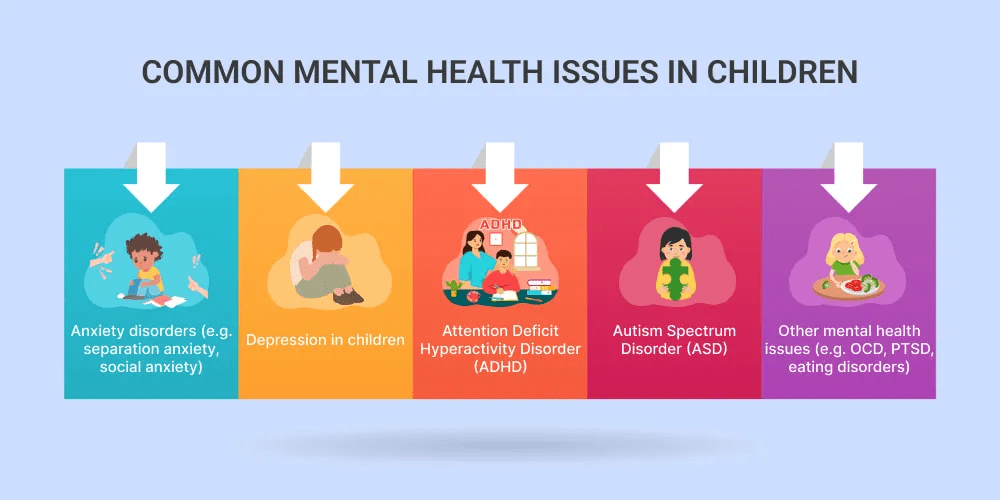
When we support children with disabilities, it’s not always easy to recognise when something isn’t quite right. Every child communicates differently, and distress and anxiety doesn’t always look the way we expect it to.

But it helps to remember that: every change matters. Every small difference like; shifts in behaviour, mood, connection, or physical wellbeing are worth noticing with curiosity and care.

You might see:

  • changes in mood or behaviour (more withdrawn, irritable, or losing interest in things they used to enjoy)
  • becoming overwhelmed more easily or finding it harder to cope with stress
  • changes in sleep or eating
  • more physical complaints like headaches or tummy aches
  • pulling away from people or activities
  • increased anxiety, worry, or fear
  • expressions of distress or hopelessness (in whatever way your child communicates)

For some children, especially those who are non-speaking, these signs can be subtle and show up through behaviour rather than words. If something feels different, or your gut is telling you something has shifted, respond to that quickly. You know your child best, and noticing these small changes is an important first step in helping them feel safe, understood, and supported.

The first step truly isn’t about having all the answers: it’s simply reaching out.

You might consider:

  • having a gentle conversation with your child’s school or teacher to share what you’ve noticed and see what they’re observing
  • connecting with your child’s allied health team (such as their psychologist, speech pathologist, positive behaviour practitioner or occupational therapist)
  • speaking with your child’s paediatrician or GP to explore what might be going on
  • keeping track of changes over time, so you can build a clearer picture of patterns or triggers

Often, it’s the shared understanding across home, school, and supports that helps things make more sense. It also shares the burden, so you don’t have to do it all on your own. Support is there to help you piece things together and find a way forward that feels right for your child. And just as importantly, be gentle with yourself in this process. You don’t have to have all the answers: noticing, wondering, and reaching out are all meaningful steps.

Social Stories

The Power of Social Stories

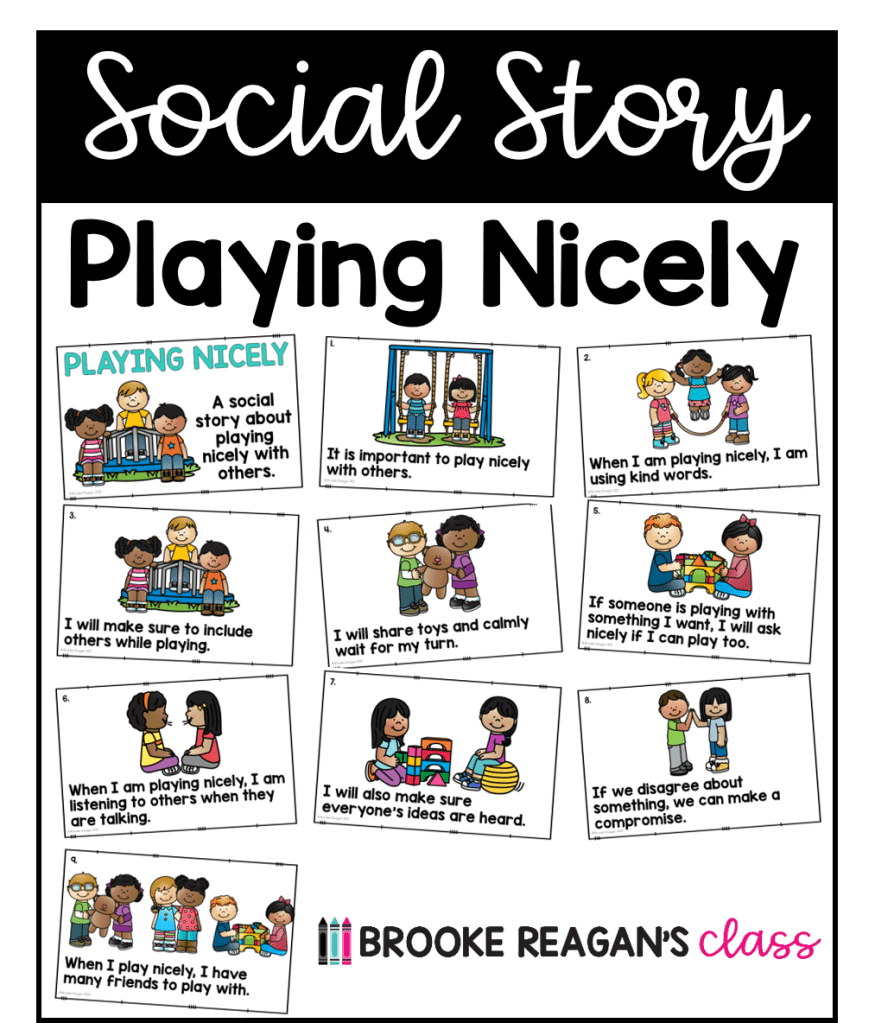
Social stories are a valuable tool for helping individuals living with Neurodiversity (Autism Spectrum Disorder ASD & Attention Deficit Hyperactivity Disorder ADHD navigate social situations. These personalised, narrative based tools explain social scenarios in simple, clear language, breaking down complex interactions into manageable steps. I have used them with great success for my son who has complex needs and is non-verbal. He responds very well to this approach as he likes visuals, particularly personalised photos for new experiences which are unfamiliar to him.

Why Social Stories Matter:

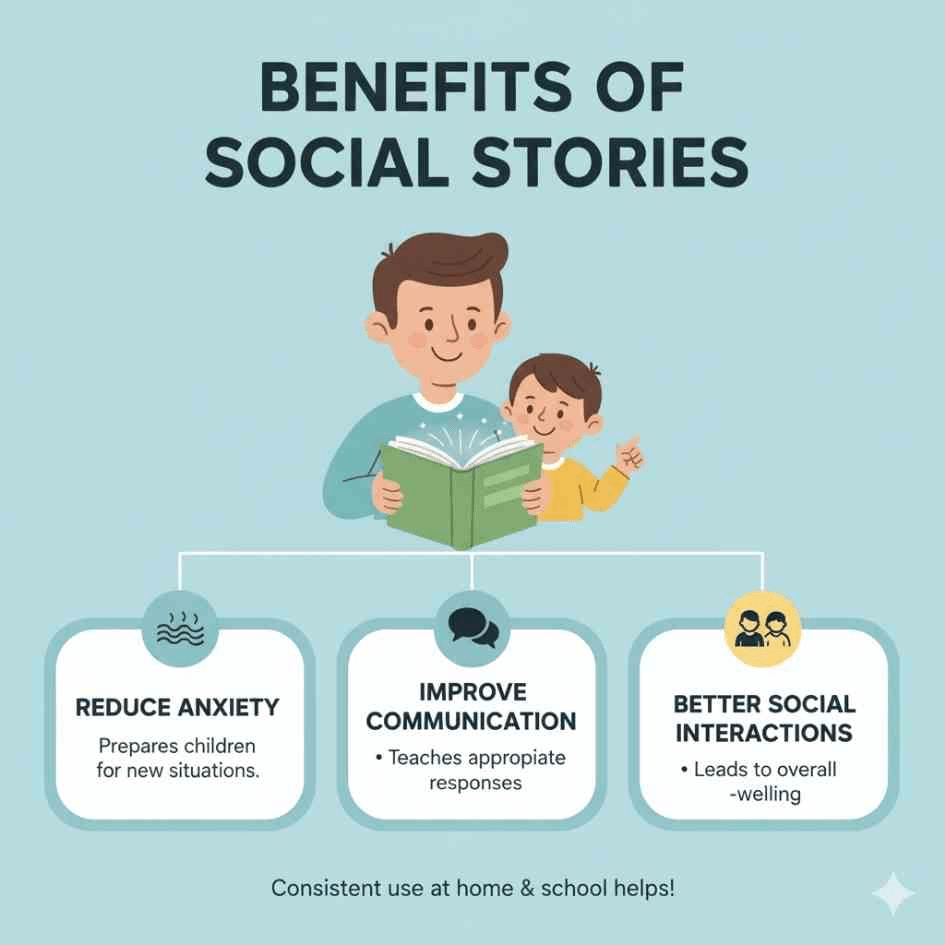
  1. Enhance Social Understanding: Social stories help individuals understand social norms, cues, and appropriate behaviours in various situations.
  2. Reduce Anxiety: They provide predictability and clarity, easing anxiety about new or unfamiliar events.
  3. Promote Independence: By offering guidance on how to handle different situations, social stories help individuals build life skills and manage social interactions with less support.
  4. Personalised Learning: Social stories can be tailored to fit the specific needs and challenges of the individual, making them highly adaptable.

How They’re Used:

  • In the Classroom: Teachers can use social stories to explain routines, expectations, and social interactions.
  • At Home: Parents can help children understand outings, everyday tasks and emotions.
  • In Therapy: Therapists use social stories to teach coping strategies and social communication skills.

By breaking down tricky or new social situations into clear, easy-to-follow steps, social stories help individuals feel more confident, reduce stress, and improve social engagement.

You can create a social story using any technology like Word or PowerPoint in the Microsoft Office Suite. There is also an app that you can use: https://apps.apple.com/us/app/social-story-creator-library/id588180598 I have found this app to be very easy to use and it’s easy to add your own photos and text to individualise the story.