
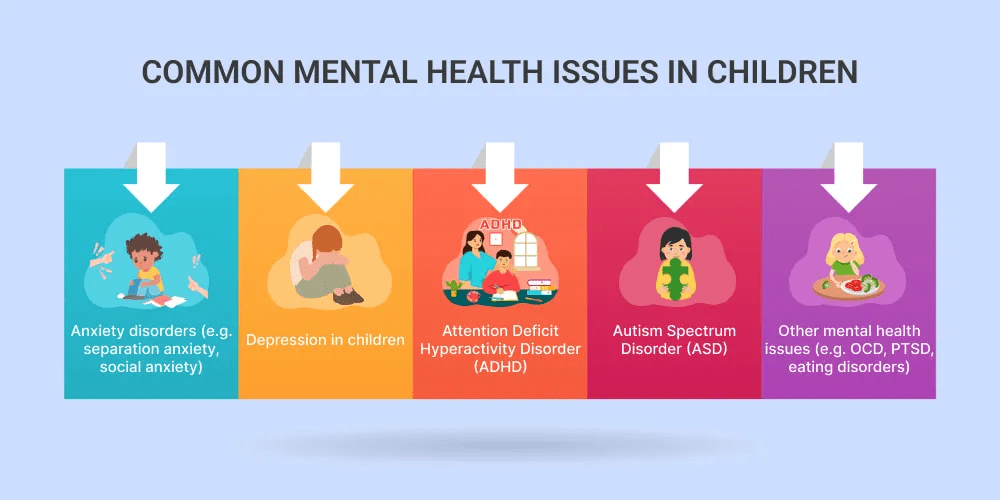
When we support children with disabilities, it’s not always easy to recognise when something isn’t quite right. Every child communicates differently, and distress and anxiety doesn’t always look the way we expect it to.
But it helps to remember that: every change matters. Every small difference like; shifts in behaviour, mood, connection, or physical wellbeing are worth noticing with curiosity and care.
You might see:
- changes in mood or behaviour (more withdrawn, irritable, or losing interest in things they used to enjoy)
- becoming overwhelmed more easily or finding it harder to cope with stress
- changes in sleep or eating
- more physical complaints like headaches or tummy aches
- pulling away from people or activities
- increased anxiety, worry, or fear
- expressions of distress or hopelessness (in whatever way your child communicates)

For some children, especially those who are non-speaking, these signs can be subtle and show up through behaviour rather than words. If something feels different, or your gut is telling you something has shifted, respond to that quickly. You know your child best, and noticing these small changes is an important first step in helping them feel safe, understood, and supported.
The first step truly isn’t about having all the answers: it’s simply reaching out.
You might consider:
- having a gentle conversation with your child’s school or teacher to share what you’ve noticed and see what they’re observing
- connecting with your child’s allied health team (such as their psychologist, speech pathologist, positive behaviour practitioner or occupational therapist)
- speaking with your child’s paediatrician or GP to explore what might be going on
- keeping track of changes over time, so you can build a clearer picture of patterns or triggers
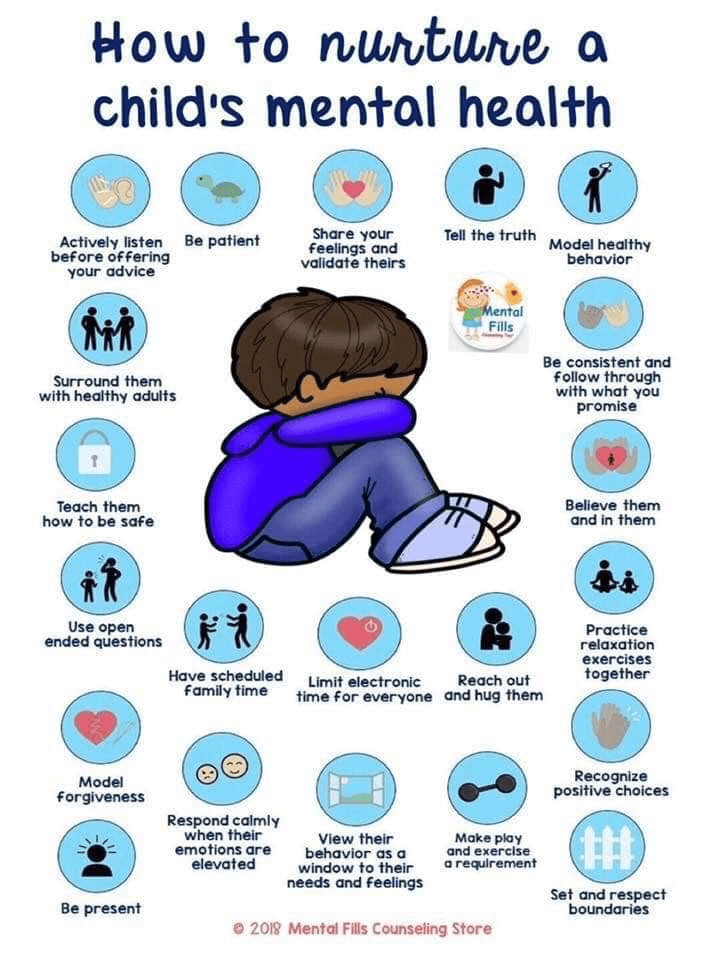
Often, it’s the shared understanding across home, school, and supports that helps things make more sense. It also shares the burden, so you don’t have to do it all on your own. Support is there to help you piece things together and find a way forward that feels right for your child. And just as importantly, be gentle with yourself in this process. You don’t have to have all the answers: noticing, wondering, and reaching out are all meaningful steps.
 rebeccaturleamilliondreams.org