Weighted Toys (Anxiety Strategies)

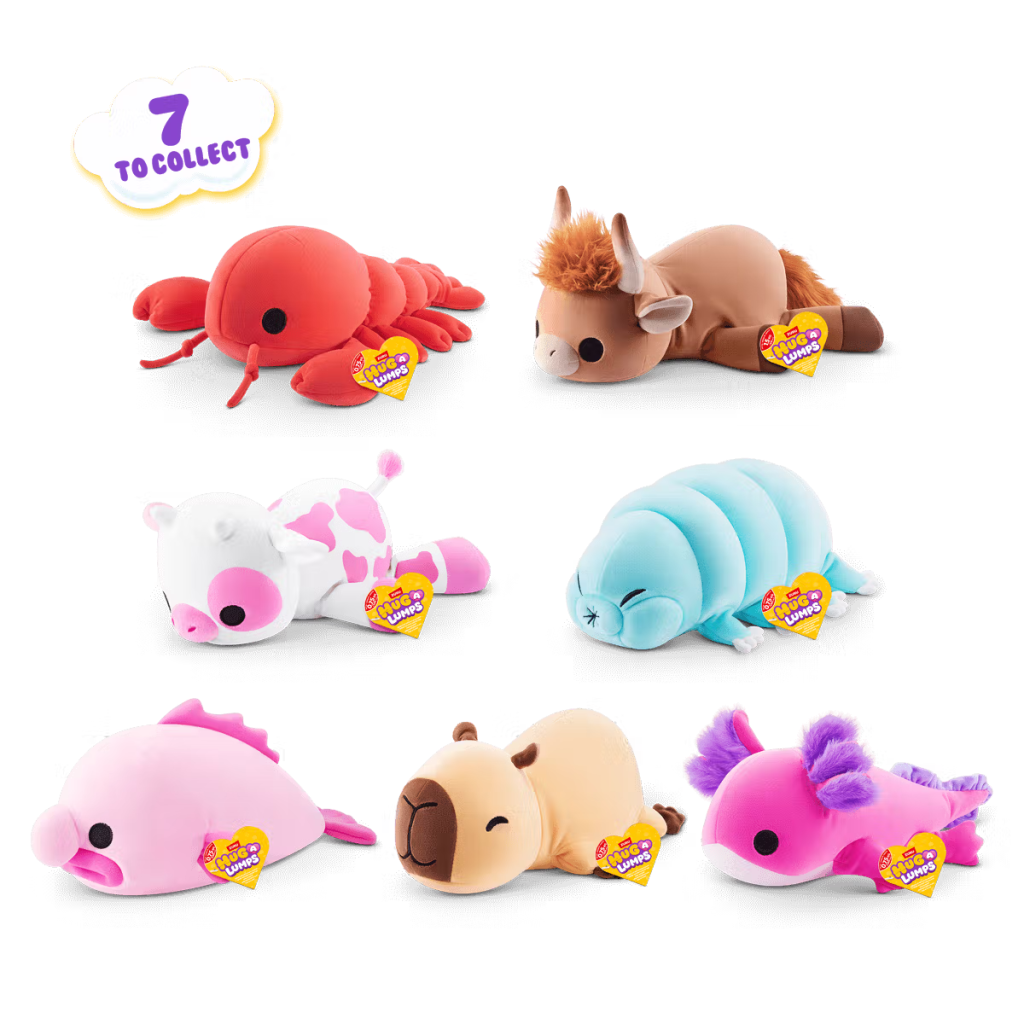
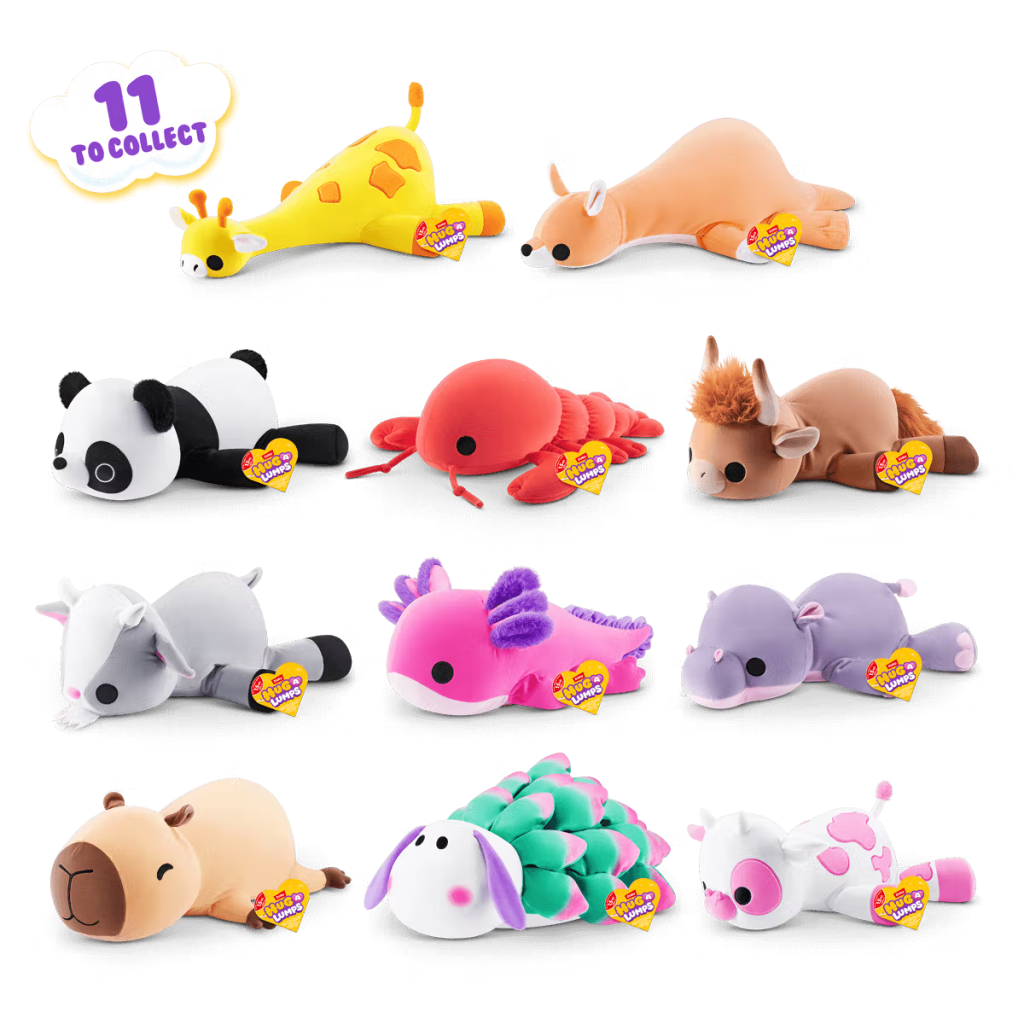
Weighted toys, such as weighted soft toys or lap pads, can help ease anxiety through something called deep pressure stimulation. This is the same principle behind weighted blankets. Deep pressure is also associated with the release of serotonin and dopamine, chemicals that support mood and wellbeing. Serotonin is a precursor to melatonin, which helps explain why weighted items can also improve sleep.

When gentle, evenly distributed pressure is placed on the body, it stimulates pressure receptors in the skin. These receptors send signals to the brain that activate the parasympathetic nervous system, our “rest and digest” system. This can slow the heart rate, lower blood pressure, reduce cortisol (the stress hormone), and create a sense of calm and safety. In simple terms, the body receives the message that it is safe.

For children and adults who experience sensory processing differences or heightened anxiety, steady, predictable pressure provides important proprioceptive input, or body awareness. This grounding sensation can reduce fight or flight responses and help the nervous system settle. For this reason, weighted toys are often used in autism support, ADHD regulation, trauma-informed settings, and for generalised anxiety.

There is also a psychological component. Holding something weighted can feel containing and secure, similar to a firm hug. Physical containment often supports emotional containment. Research on weighted blankets and deep pressure therapy shows reduced physiological arousal, improved sleep, and reported reductions in anxiety. The evidence is strongest for sensory regulation, with growing support for anxiety management.

Weighted toys work especially well for children because they are portable, non-clinical, and comforting. They combine sensory regulation with emotional reassurance, which can be a powerful support for an anxious nervous system.

From a personal perspective, my son uses the medium sized Hug-A-Lumps which weigh 1.5kg, the smaller version pictured above weigh .75kg. He finds these weighted toys extremely comforting and uses them all day to help with his regulation as he has high levels of anxiety. I also use the smaller version of Hug-A-Lumps in my classroom practice with year 3 and 4 students, these are very popular and widely used by the students, especially those who are neurotypical. They promote better focus and regulation throughout the day, while looking cute and not at all out of place within a primary classroom environment.

Anxiety Strategies – Box Breathing

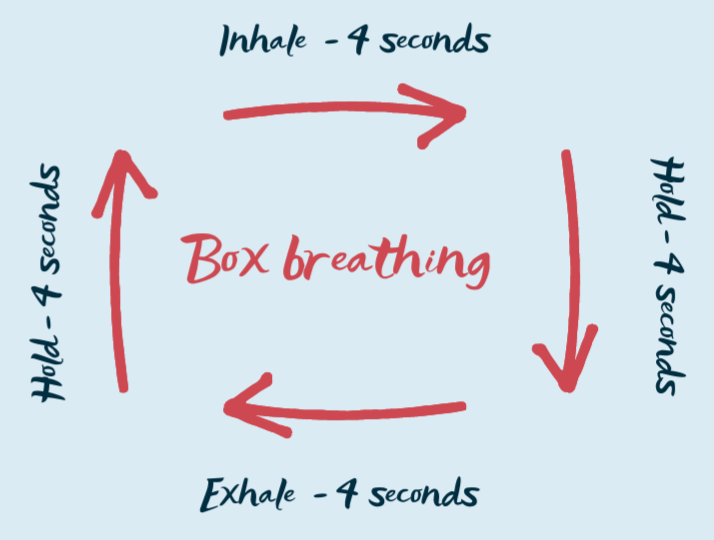
Box breathing is a simple breathing technique that helps calm the nervous system and reduce anxiety. By slowly inhaling, holding, exhaling, and holding again for equal counts, it activates the body’s relaxation response and helps shift us out of “fight or flight” mode.

This steady rhythm can lower heart rate, reduce muscle tension, and create a sense of control during overwhelming moments. For people experiencing anxiety, box breathing provides a practical tool to slow racing thoughts, improve focus, and bring the body and mind back to a more balanced, grounded state.

Here are the simple steps for box breathing:

  1. Inhale slowly through your nose for a count of 4.
  2. Hold your breath for a count of 4.
  3. Exhale slowly through your mouth for a count of 4.
  4. Hold again (with lungs empty) for a count of 4.

Repeat this cycle for 4–6 rounds, or longer if needed. Keep the breath slow, steady, and gentle rather than forced. If helpful, imagine tracing the four sides of a square as you breathe.

There are many videos on YouTube that you can follow to get the right rhythm. Some can guide you verbally like in my first example and others, like in my second example, you will just hear the breath sounds to guide you. Experiment until you find the right guide for you.

Carer Burnout – February Musings

It is probably an opportune time to talk about the very real ongoing pressures that carers and families face every day.

There is a relentlessness of daily routines, therapies, school refusals, health practitioner refusals and ongoing meltdowns. Let’s face it, not many in the everyday community have any idea what a day looks like for many who care for anyone with complex needs. They might have empathy on the surface but that is where it ends. Often, we are also barraged by completing forms, forms for Centrelink, forms for NDIS and other government departments especially when your child is becoming a young adult – without the ability to make these decisions for themselves.

Then the ongoing s***show that is NDIS, whereby the community and media is constantly disparaging it for overspending, and then the resulting unjustified cuts to participants budgets leading many to bow out of the system altogether that was principally designed to help people with disability lead a more dignified and safer life. Somehow putting extreme pressure on parents to provide yet more reports from therapists or even worse, get a re-diagnosis because what was gold standard 5-10 years ago has been replaced and it no longer fits their tick box system.

Pressures on carers are at an all-time high and many have little to no supports outside of this system of NDIS providers as all previous groups and supports disappeared when NDIS took over.

For me personally, I have reached out to Carers SA which is based in Adelaide however I know that the Carer Gateway https://www.carergateway.gov.au/ can link you with services in your own cities https://www.carergateway.gov.au/about-us/local-service-provider. I now belong to a peer group, which is designed to support carers in a small group setting, a social group which is an outing with other carers, an opportunity to get out and about and there is also 1-1 counselling. The counselling only encompasses 6 sessions, but it might be a circuit breaker for some who need 1-1 support outside of a group setting. These services are free of charge which makes it a little different to the Medicare supported psychology sessions which can have a significant gap which many can’t afford. Carer supported groups and counselling can make the isolation and stress a little easier to bear, as you are surrounded by people who ‘get it’ and are non-judging of your circumstances.

Please reach out to the Carer Gateway if you think you could benefit, I know it helped me and it might help you too.

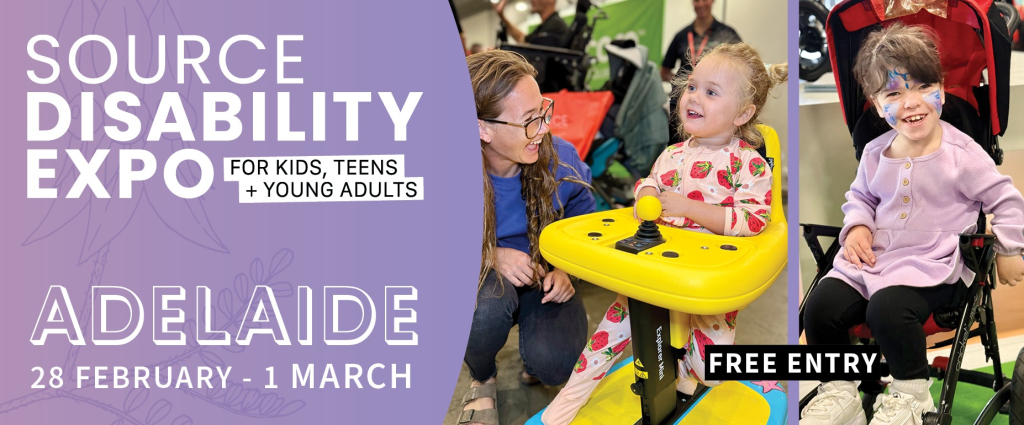
Adelaide Disability Expo (28 February – 1 March)

The Adelaide Disability Expo is being held at the Adelaide Convention & Exhibition Centre from 10-4, Saturday 28 February and 10-3, Sunday 1 March. I find that disability expos are a great way to see the latest products, services and supports for those living with a disability and their families. It caters for different life stages and includes therapies as well as social and community activities also.

To register and get free tickets, https://www.trybooking.com/events/landing/1515218

Social Stories

The Power of Social Stories

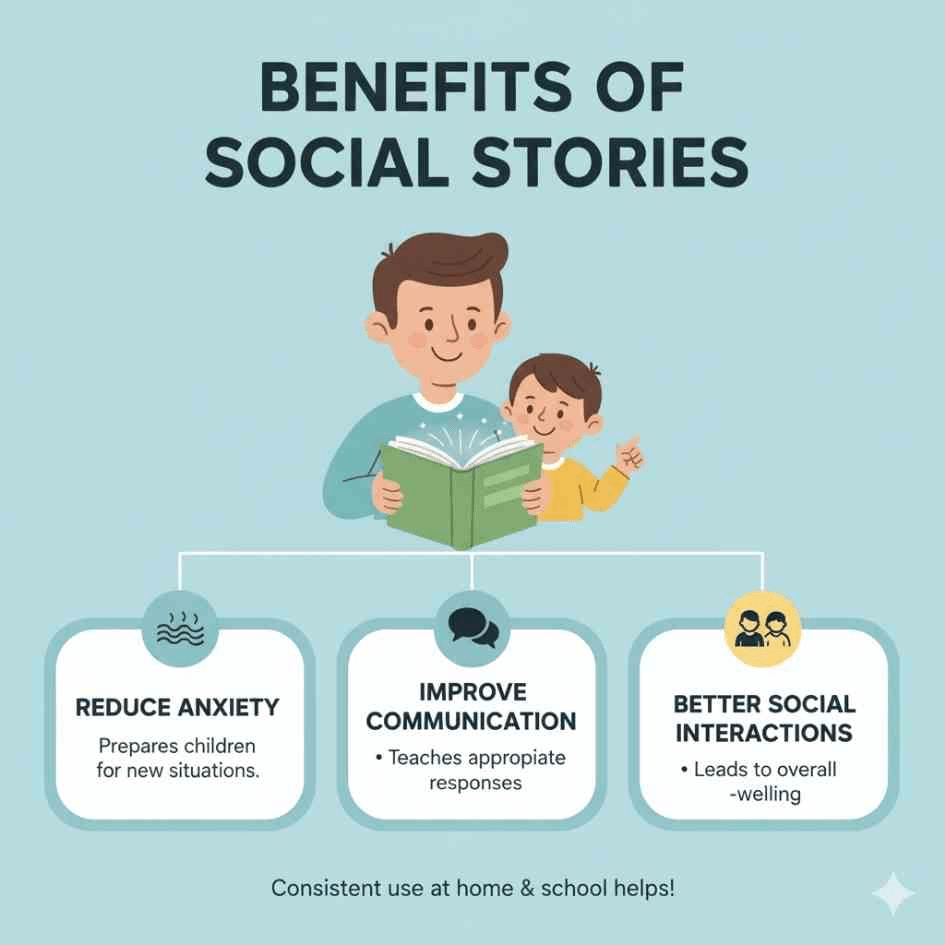
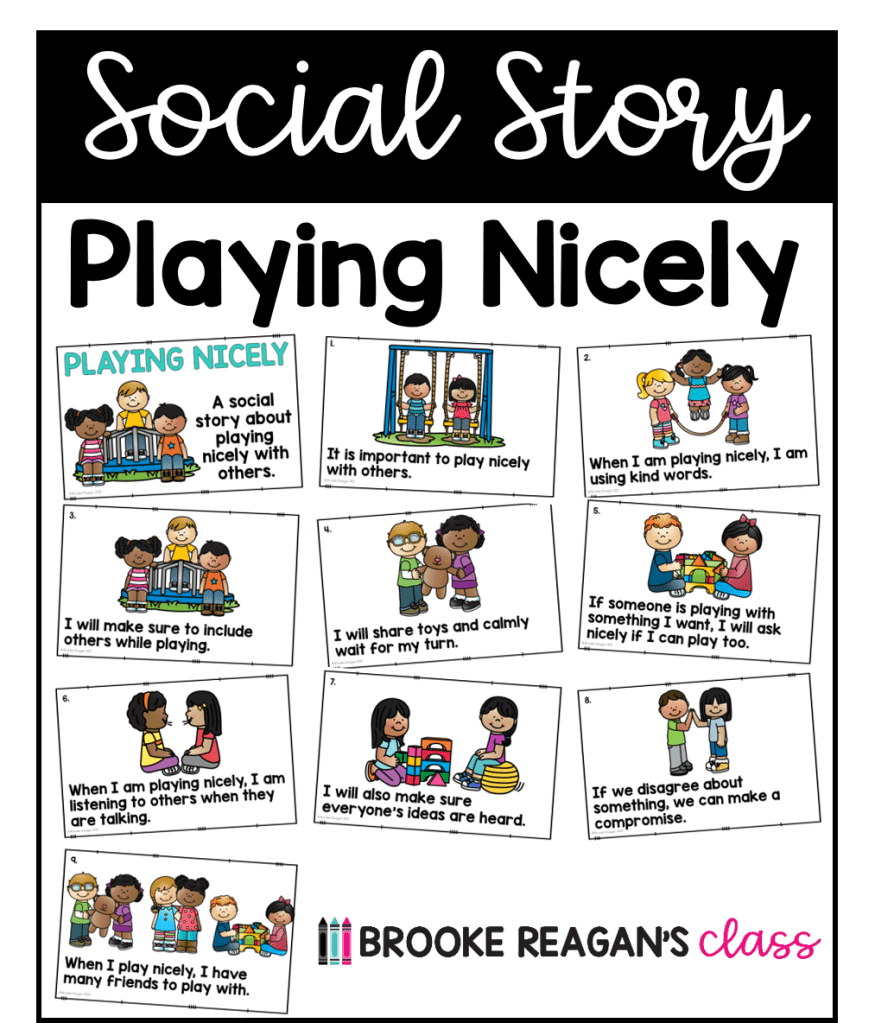
Social stories are a valuable tool for helping individuals living with Neurodiversity (Autism Spectrum Disorder ASD & Attention Deficit Hyperactivity Disorder ADHD navigate social situations. These personalised, narrative based tools explain social scenarios in simple, clear language, breaking down complex interactions into manageable steps. I have used them with great success for my son who has complex needs and is non-verbal. He responds very well to this approach as he likes visuals, particularly personalised photos for new experiences which are unfamiliar to him.

Why Social Stories Matter:

  1. Enhance Social Understanding: Social stories help individuals understand social norms, cues, and appropriate behaviours in various situations.
  2. Reduce Anxiety: They provide predictability and clarity, easing anxiety about new or unfamiliar events.
  3. Promote Independence: By offering guidance on how to handle different situations, social stories help individuals build life skills and manage social interactions with less support.
  4. Personalised Learning: Social stories can be tailored to fit the specific needs and challenges of the individual, making them highly adaptable.

How They’re Used:

  • In the Classroom: Teachers can use social stories to explain routines, expectations, and social interactions.
  • At Home: Parents can help children understand outings, everyday tasks and emotions.
  • In Therapy: Therapists use social stories to teach coping strategies and social communication skills.

By breaking down tricky or new social situations into clear, easy-to-follow steps, social stories help individuals feel more confident, reduce stress, and improve social engagement.

You can create a social story using any technology like Word or PowerPoint in the Microsoft Office Suite. There is also an app that you can use: https://apps.apple.com/us/app/social-story-creator-library/id588180598 I have found this app to be very easy to use and it’s easy to add your own photos and text to individualise the story.

Sunflower Lanyard

Some disabilities, conditions or chronic illnesses are not immediately obvious to others. For some people, this can make it hard to understand and believe that someone, with a “non-visible” condition genuinely needs support. Some people question whether you have a disability because you don’t look ‘like you have a disability”.

That is why they created the Hidden Disabilities Sunflower – to encourage inclusivity, acceptance and understanding.

It is a simple tool for you to share that you have a hidden disability voluntarily. Simply by wearing the Sunflower, you’re just letting everyone know that you might need extra help, understanding, or just more time.

It allows others to understand that the wearer may need a helping hand, understanding, or more time in shops, at work, on transport, or in public spaces. More places are becoming “sunflower friendly” including airports and larger shopping centres like Westfield.

It’s also recognised internationally.

To buy: https://hdsunflower.com/au/sunflower-lanyard-and-id-card-1.html

Self-Care for Carers

Raising a child with a disability can be incredibly stressful. It is well known that chronic stress can cause many health issues, ranging from sleeping difficulties, chronic anxiety, clinical depression and a weakened immune system. While anything medical should be seen to by a doctor, it is also important to look at your life holistically and practice some self-care when you can.

For example:

  • Taking at least one hour of time to yourself a week to do things you enjoy – get a massage, read a book, watch a show/movie,
  • Incorporating a short practice of mindfulness into your daily routine – Box Breathing can help reduce stress and calm feelings of anxiety.
  • Mapping out your network of support so you know who to call upon when you’re in need of some assistance
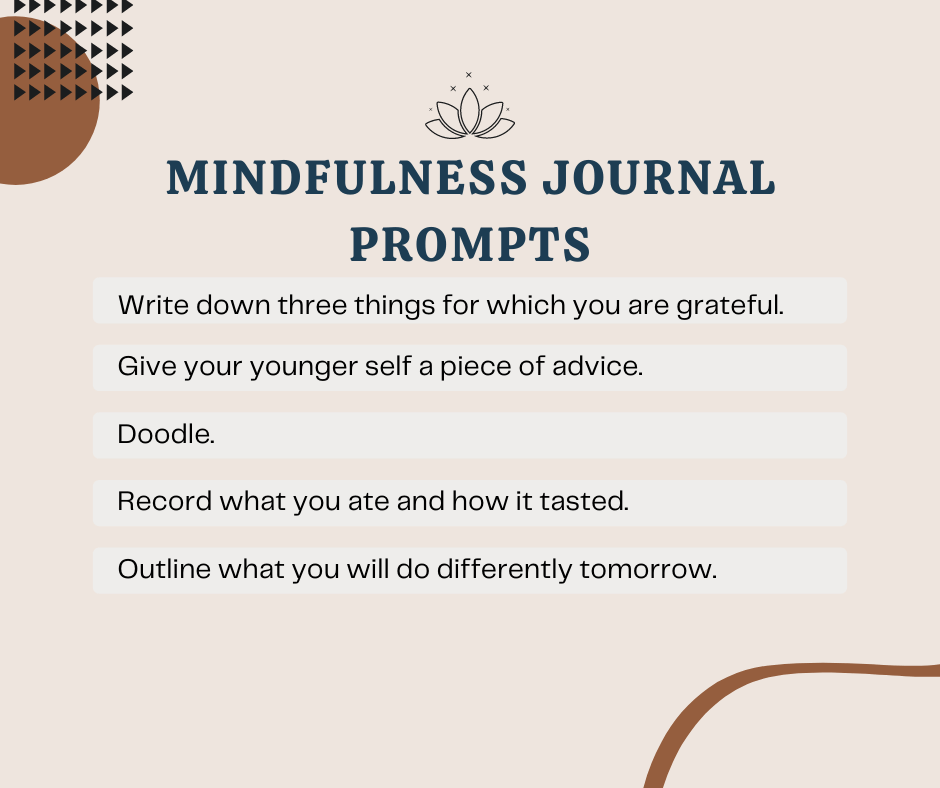
  • Engaging in a practice of self-reflective journaling

NDIS – When Reviews Don’t Go As Planned (Part 1)

PART 1

I’ve recently been in the position where a scheduled plan review did not go as planned for my son. The LAC (Local Area Coordinator) was vocal in her opinion that my son’s plan had been well funded previously and he “wouldn’t be getting that again”. True to her word, his plan was slashed by 36%, leaving not enough funding for essential therapies, not even core supplies for incontinence.

The journey to rectify his plan is not yet over as will be explained in coming posts. However, he has now been given a plan that is substantially more suitable for his needs.

I would like to share the recommendations and advice that has been given to me in hopes of helping other families finding themselves in the same position.

School Refusal

Should we force a child to go to school?

In short, no. Working together with your child and addressing the reasons they don’t want to go to school should be the priority. It is important that they feel safe and that their well-being is important to you.

It is recommended that a dialogue is opened with the child. Questions should be asked so you can get to the core reason that school refusal is taking place.

Possible questions:

  • If you could change one thing about your school, what would it be? 
  • Is there anyone bothering you at school?
  • How can I help you with school?
  • Are you worried about anything at school? 
  • How are your friendships at school going? 
  • Is anything worrying you in general?
  • Is there anything you wish your teachers knew?
  • Is there anything you wish I knew?

Strategies for dealing with school refusal:

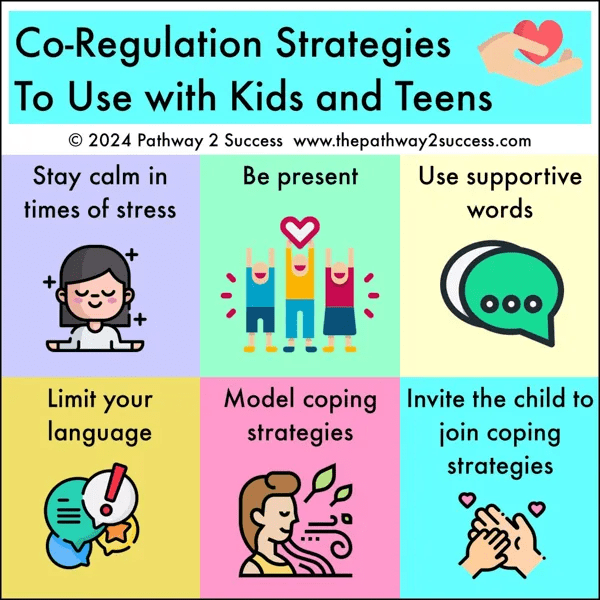
  • Stay calm – This leaves space for your child to come to you in a calm way themselves.
  • Use positive language – For example, instead of ‘are you going to get up and go to school today?’ try ‘what shall we do after school today?’.
  • Debrief daily – Open the lines of communication for your chid to share what might be bothering them.

School refusal can be very complex:

  • Get professional guidance – starting with school staff. Speak to the class teacher, school counsellor, student services so you can work together as a team to help your child overcome their anxiety.
  • Speak to your doctor/paediatrician and get the support of a psychologist or counsellor who may also help to unlock why your child is not attending school and help address the problem of getting them back to school with their well-being in mind.

CHIME – A Framework for mental health recovery

Connection

Contact with peers

Good relationships

Support from others

Being part of the community

Hope

Optimism about the future

Believing in health

Feeling motivated

Positive thinking

Having dreams and aspirations

Identity

Having a positive sense of yourself

Feeling able to be yourself

Dealing with stigma

Seeing the whole person

Meaning

Making sense of your experiences

Knowing what’s important to you

Having purpose

Understanding your world

Feeling valued

Empowerment

Being responsible for your own wellbeing

Feeling capable

Being able to see your strengths

Learning by doing