Weighted Toys (Anxiety Strategies)

Weighted toys, such as weighted soft toys or lap pads, can help ease anxiety through something called deep pressure stimulation. This is the same principle behind weighted blankets. Deep pressure is also associated with the release of serotonin and dopamine, chemicals that support mood and wellbeing. Serotonin is a precursor to melatonin, which helps explain why weighted items can also improve sleep.

When gentle, evenly distributed pressure is placed on the body, it stimulates pressure receptors in the skin. These receptors send signals to the brain that activate the parasympathetic nervous system, our “rest and digest” system. This can slow the heart rate, lower blood pressure, reduce cortisol (the stress hormone), and create a sense of calm and safety. In simple terms, the body receives the message that it is safe.

For children and adults who experience sensory processing differences or heightened anxiety, steady, predictable pressure provides important proprioceptive input, or body awareness. This grounding sensation can reduce fight or flight responses and help the nervous system settle. For this reason, weighted toys are often used in autism support, ADHD regulation, trauma-informed settings, and for generalised anxiety.

There is also a psychological component. Holding something weighted can feel containing and secure, similar to a firm hug. Physical containment often supports emotional containment. Research on weighted blankets and deep pressure therapy shows reduced physiological arousal, improved sleep, and reported reductions in anxiety. The evidence is strongest for sensory regulation, with growing support for anxiety management.

Weighted toys work especially well for children because they are portable, non-clinical, and comforting. They combine sensory regulation with emotional reassurance, which can be a powerful support for an anxious nervous system.

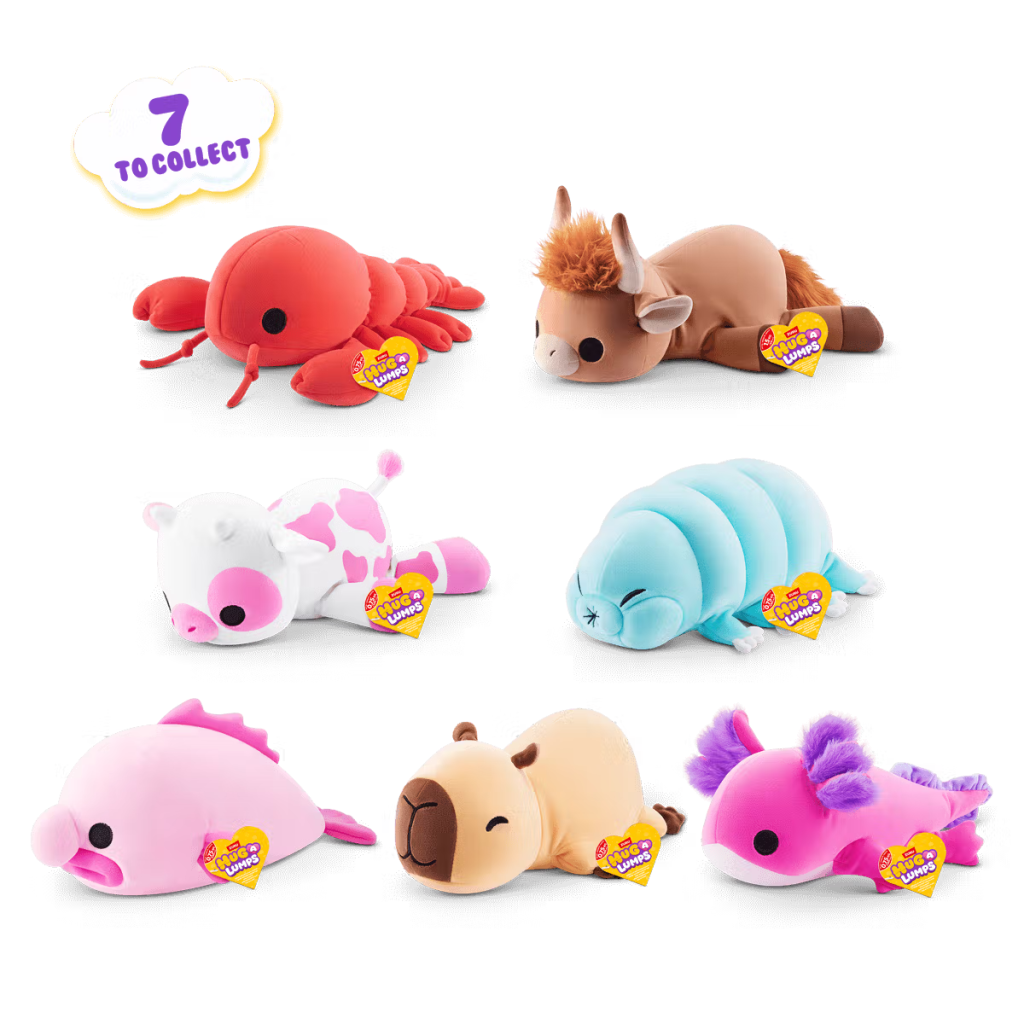
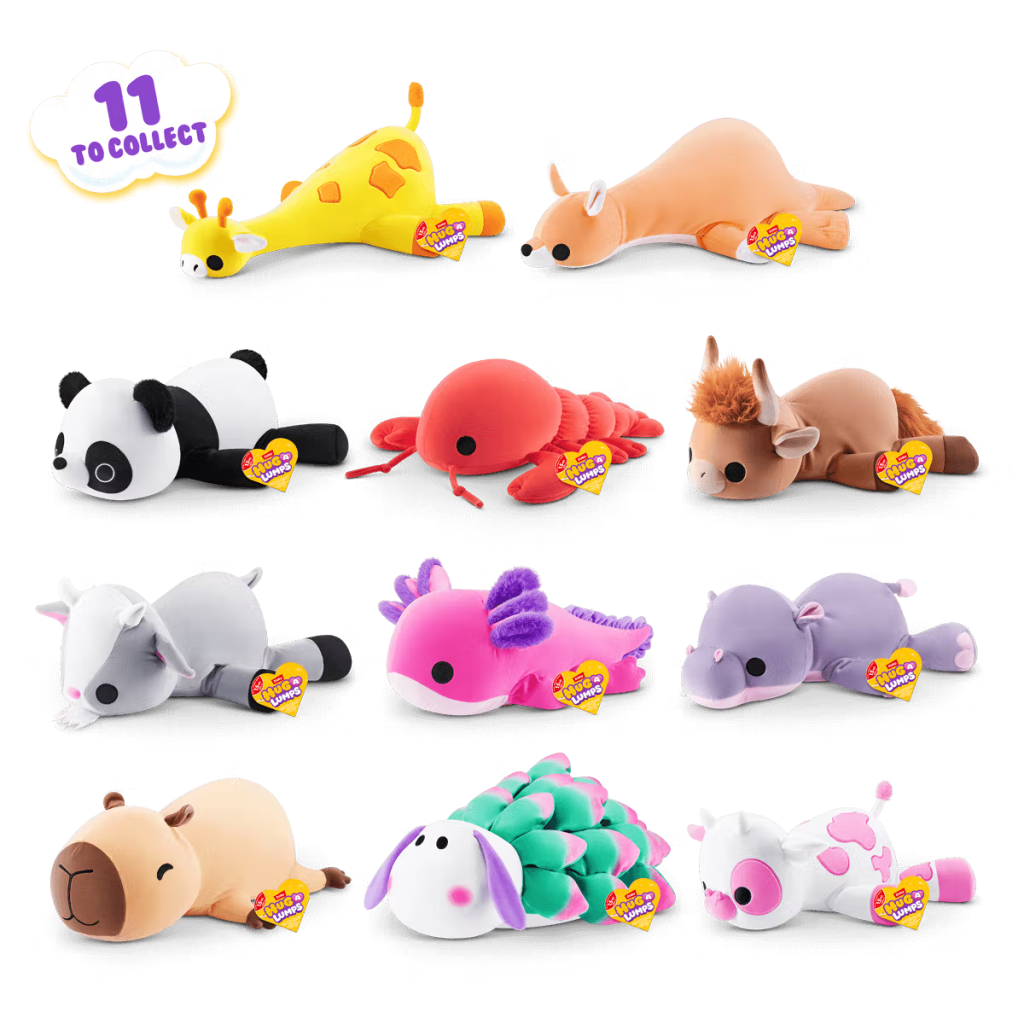
From a personal perspective, my son uses the medium sized Hug-A-Lumps which weigh 1.5kg, the smaller version pictured above weigh .75kg. He finds these weighted toys extremely comforting and uses them all day to help with his regulation as he has high levels of anxiety. I also use the smaller version of Hug-A-Lumps in my classroom practice with year 3 and 4 students, these are very popular and widely used by the students, especially those who are neurotypical. They promote better focus and regulation throughout the day, while looking cute and not at all out of place within a primary classroom environment.

Social Stories

The Power of Social Stories

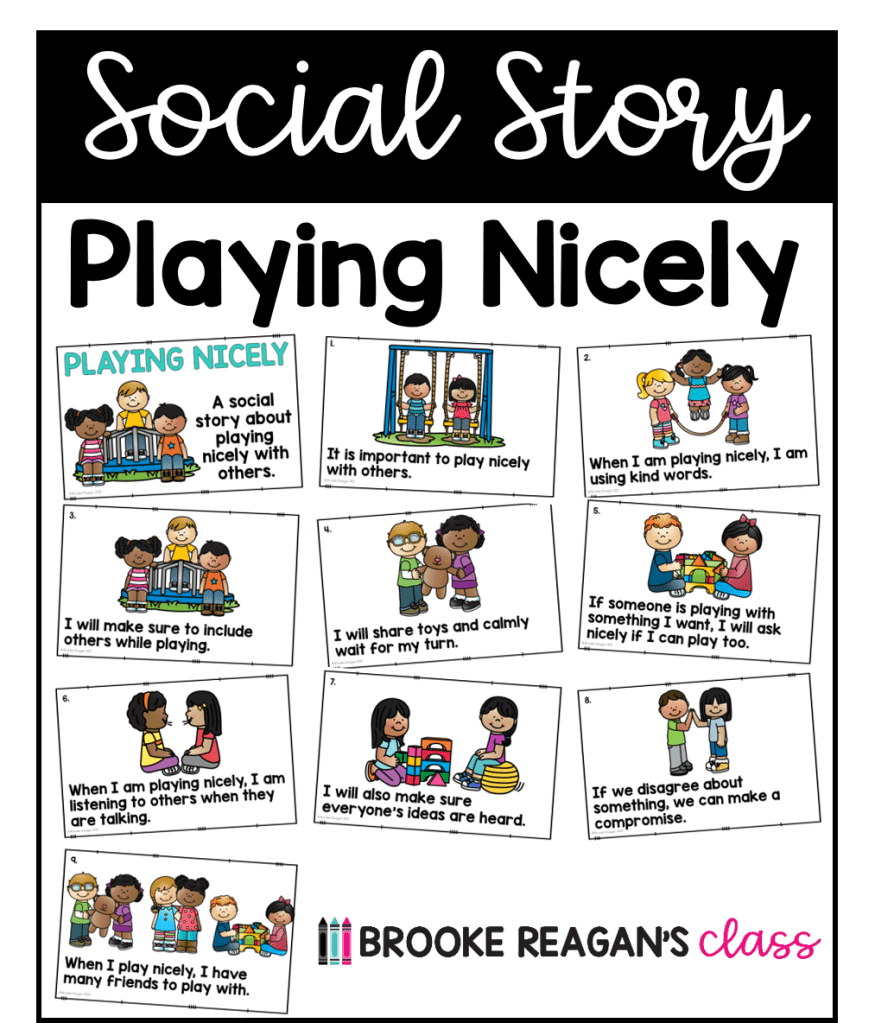
Social stories are a valuable tool for helping individuals living with Neurodiversity (Autism Spectrum Disorder ASD & Attention Deficit Hyperactivity Disorder ADHD navigate social situations. These personalised, narrative based tools explain social scenarios in simple, clear language, breaking down complex interactions into manageable steps. I have used them with great success for my son who has complex needs and is non-verbal. He responds very well to this approach as he likes visuals, particularly personalised photos for new experiences which are unfamiliar to him.

Why Social Stories Matter:

  1. Enhance Social Understanding: Social stories help individuals understand social norms, cues, and appropriate behaviours in various situations.
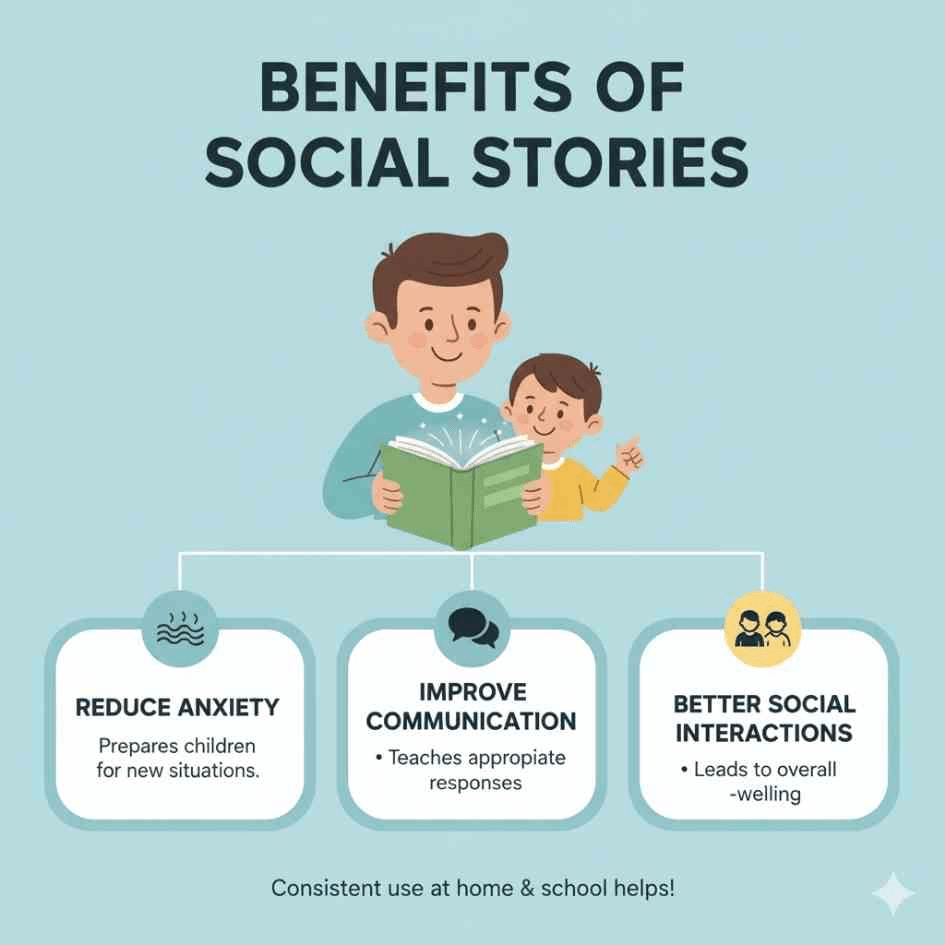
  2. Reduce Anxiety: They provide predictability and clarity, easing anxiety about new or unfamiliar events.
  3. Promote Independence: By offering guidance on how to handle different situations, social stories help individuals build life skills and manage social interactions with less support.
  4. Personalised Learning: Social stories can be tailored to fit the specific needs and challenges of the individual, making them highly adaptable.

How They’re Used:

  • In the Classroom: Teachers can use social stories to explain routines, expectations, and social interactions.
  • At Home: Parents can help children understand outings, everyday tasks and emotions.
  • In Therapy: Therapists use social stories to teach coping strategies and social communication skills.

By breaking down tricky or new social situations into clear, easy-to-follow steps, social stories help individuals feel more confident, reduce stress, and improve social engagement.

You can create a social story using any technology like Word or PowerPoint in the Microsoft Office Suite. There is also an app that you can use: https://apps.apple.com/us/app/social-story-creator-library/id588180598 I have found this app to be very easy to use and it’s easy to add your own photos and text to individualise the story.

Self-Care for Carers

Raising a child with a disability can be incredibly stressful. It is well known that chronic stress can cause many health issues, ranging from sleeping difficulties, chronic anxiety, clinical depression and a weakened immune system. While anything medical should be seen to by a doctor, it is also important to look at your life holistically and practice some self-care when you can.

For example:

  • Taking at least one hour of time to yourself a week to do things you enjoy – get a massage, read a book, watch a show/movie,
  • Incorporating a short practice of mindfulness into your daily routine – Box Breathing can help reduce stress and calm feelings of anxiety.
  • Mapping out your network of support so you know who to call upon when you’re in need of some assistance
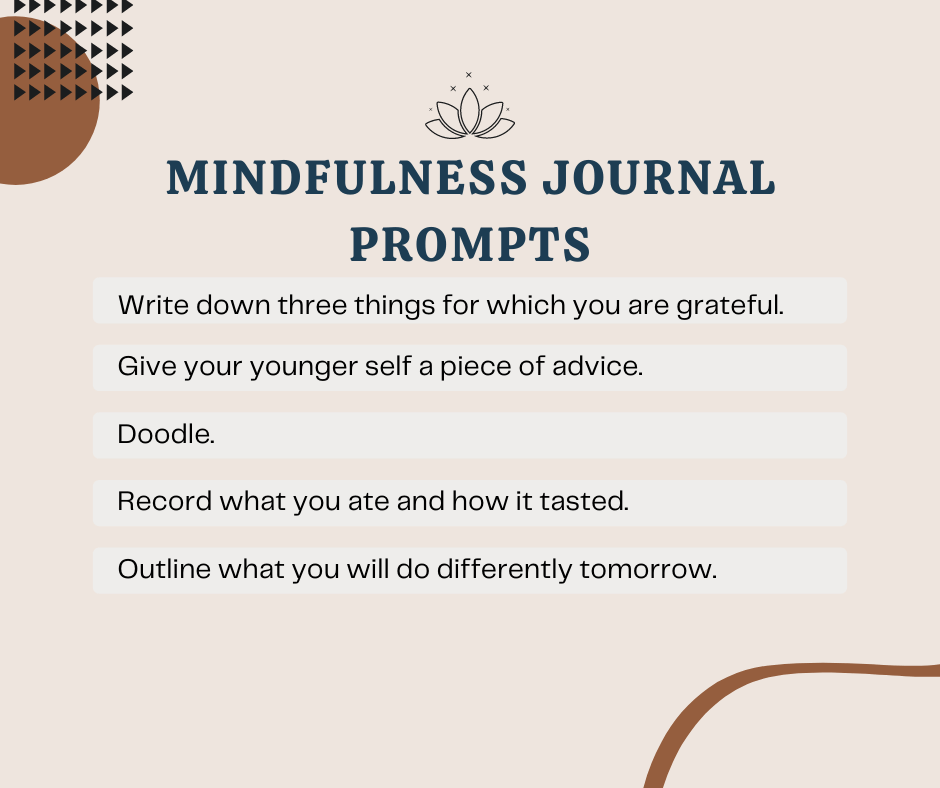
  • Engaging in a practice of self-reflective journaling

School Refusal

Should we force a child to go to school?

In short, no. Working together with your child and addressing the reasons they don’t want to go to school should be the priority. It is important that they feel safe and that their well-being is important to you.

It is recommended that a dialogue is opened with the child. Questions should be asked so you can get to the core reason that school refusal is taking place.

Possible questions:

  • If you could change one thing about your school, what would it be? 
  • Is there anyone bothering you at school?
  • How can I help you with school?
  • Are you worried about anything at school? 
  • How are your friendships at school going? 
  • Is anything worrying you in general?
  • Is there anything you wish your teachers knew?
  • Is there anything you wish I knew?

Strategies for dealing with school refusal:

  • Stay calm – This leaves space for your child to come to you in a calm way themselves.
  • Use positive language – For example, instead of ‘are you going to get up and go to school today?’ try ‘what shall we do after school today?’.
  • Debrief daily – Open the lines of communication for your chid to share what might be bothering them.

School refusal can be very complex:

  • Get professional guidance – starting with school staff. Speak to the class teacher, school counsellor, student services so you can work together as a team to help your child overcome their anxiety.
  • Speak to your doctor/paediatrician and get the support of a psychologist or counsellor who may also help to unlock why your child is not attending school and help address the problem of getting them back to school with their well-being in mind.

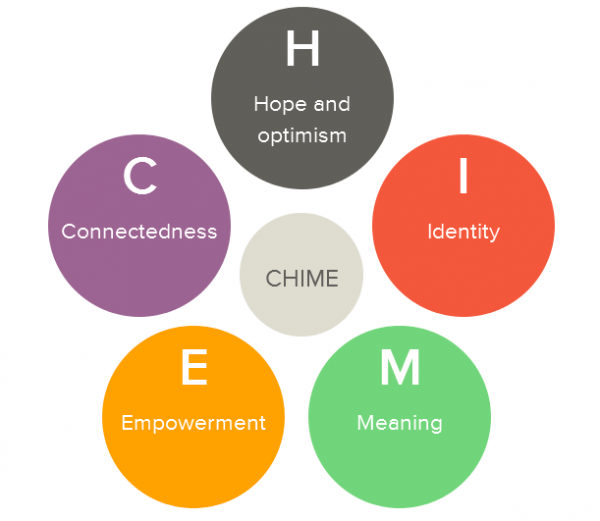
CHIME – A Framework for mental health recovery

Connection

Contact with peers

Good relationships

Support from others

Being part of the community

Hope

Optimism about the future

Believing in health

Feeling motivated

Positive thinking

Having dreams and aspirations

Identity

Having a positive sense of yourself

Feeling able to be yourself

Dealing with stigma

Seeing the whole person

Meaning

Making sense of your experiences

Knowing what’s important to you

Having purpose

Understanding your world

Feeling valued

Empowerment

Being responsible for your own wellbeing

Feeling capable

Being able to see your strengths

Learning by doing

Beyond Nuggets – Food Aversion

Many children with ASD have very particular food palates and this can cause a lot of stress at home when this palate will not go beyond their restrictive favourites – often chicken nuggets which are dry, crunchy and very predictable in smell and texture.

I often get asked how to help children explore different foods and this is not a simple process. Often aversions can be related not only to texture, but the mixing of foods (ie spaghetti bolognaise), the temperature and how it is presented. For instance, eating a strawberry may not be palatable using fingers but may be accepted using a fork or given pureed in a fruit pouch. Experimenting with different cutlery, divided food dishes (so foods are not touching) and in different forms is a good first step.

The “SOS Approach To Feeding” could be tried to help expand a child’s view of food. This can be a very slow process and needs a lot of time and patience. Please do speak to a qualified speech pathologist or eating therapist who can help guide you through the steps if you need more assistance and support.

Getting Started

Step 1 Choose the right food to encourage: Consider some foods that are similar to the ones that your child already tolerates eg if they like chicken nuggets, try chicken schnitzel and also choose a food to try that is as consistent and familiar as possible.

Step 2 Start at a distance: Present the food away from your child, then move it closer once tolerated.

Step 3 Discover the food together: What are its colours, texture, temperature etc?

Step 4 Get closer: If your child feels confident, they may be able to move the food with a utensil, pick it up with their fingers or touch it to their body (on their arm or leg, for instance) or face. It’s important that all exploration is done in a fun and playful manner as we learn most, and will challenge ourselves most, when we are having fun.

Step 5 Once it feels ok to have a food around the mouth, you might be able to touch or hold it with the lips, then a lick or three seconds on the tongue.

Step 6 Rockets and Spit Cups: Once your child feels comfortable playing and exploring with food around their mouth, it’s time to include rocketing (spitting it out with some force while you yell rocket!) into the bin and using a spit cup. The spit cup is especially helpful as it will allow your child to taste, bite or crunch a food without pressure to swallow it. From there, multiple chews may be possible and eventually a swallow.

Music

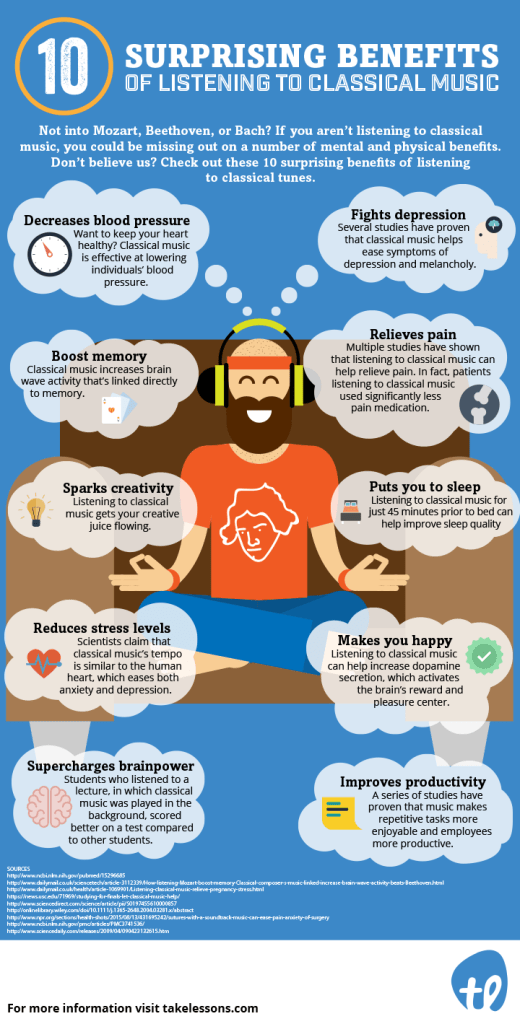
Listening and playing music has many benefits for our wellbeing, physical health and emotional regulation. It can keep us feeling happy, motivated and ease symptoms of depression.

While the above graphic references classical music, there is power in all types of music if it is enjoyed. Teenagers and small children are often drawn to and enjoy listening to music through YouTube, television, movies and gaming. And while the mode of sharing music is mostly digital or online in the modern world, it is possible to access the classics from previous generations if this is what you enjoy.

It is important to find music that you enjoy and a good place to find new music is to look on the current charts, take note of music you hear in the shows you like and look up songs and albums written and performed by the same artists. You can do this for free on platforms such as YouTube and Spotify. Add some headphones (noise cancelling if you want to remove environmental noise distractions), get listening and enjoy the benefits.

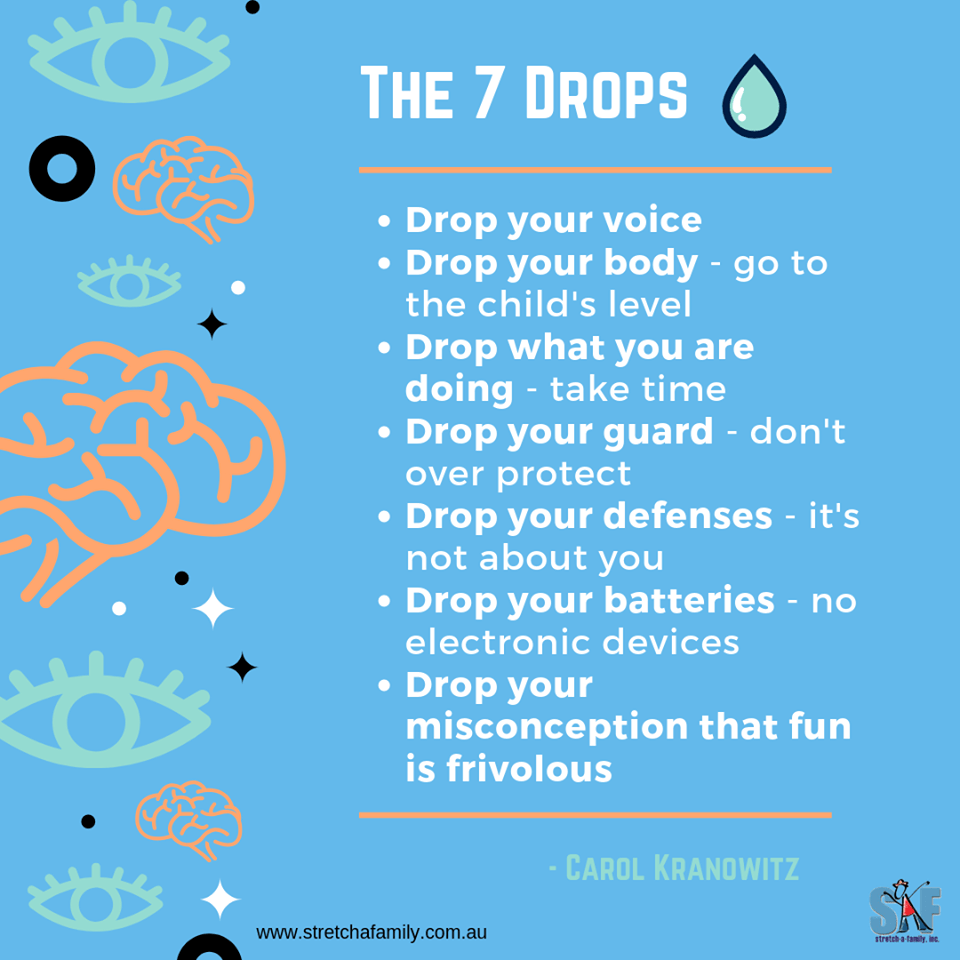
The 7 Drops

Working with children can be a challenge, especially if they are not keen to work with you in return. This list outlining ‘The 7 Drops’ is something all practitioners and educators can try to aid building connections and relationships with the children they work with.

Drop your voice – lower your pitch. Show interest in what the child is doing with your voice, your facial expressions and body language.

Drop your body – get down to their level. If they are on the floor playing, ask to join in on what they are doing. Initiate taking turns if they will accept it.

Drop what you are doing – take your time to get to know them. Leave note-taking and other work for later, make spending time with them your priority.

Drop your guard – let them take risks. Encourage them to try different things and get messy and creative while doing it.

Drop your defences – keep your agenda to yourself. This is about the child’s development. Building a real connection and relationship needs to come from an authentic place. Set goals with the child so you are working towards the same outcomes.

Drop your batteries – turn your devices to silent and give them your full attention. This creates less distraction for you and good role-modelling for them.

Drop your misconception that fun is frivolous – learning through play is powerful. Rediscover your inner child and follow their lead. Have fun!

Say Hello

Start teaching, ‘say hello’.

Taking a child with a disability out into the community is often accompanied by other adults averting their eyes or pretending not to see you, especially if your child is making high pitched noises or moving awkwardly. If these adults are also parents, you might hear them tell their children tersely, ‘don’t stare’ before quickly moving their children away from you and the offending noise.

When I arrive at my son’s school to pick him up, there is always one student there who comes running to the gate and who I affectionately call the welcoming committee. She is always on the look out for parents, letting teachers know whose parent has turned up and even giving updates on how far away your child is. She is the first to smile and wave to me and I always make sure I get out of the car, regardless of how busy or tired I am to go over and say hello. Sometimes children who are non-verbal also wander up to me curiously and I always make sure to warmly greet them too, offering them a high five as this is the way they greet each other at school.

Wouldn’t it be incredible for parents to start teaching their children to ‘say hello’, instead of ‘don’t stare’? So don’t avert your eyes – it takes a few seconds to warmly smile and say hello, even better if this is followed by a friendly wave or a high five. Such simple gestures can make the world of difference in someone else’s life and have the power to change their whole day for the better.