Weighted Toys (Anxiety Strategies)

Weighted toys, such as weighted soft toys or lap pads, can help ease anxiety through something called deep pressure stimulation. This is the same principle behind weighted blankets. Deep pressure is also associated with the release of serotonin and dopamine, chemicals that support mood and wellbeing. Serotonin is a precursor to melatonin, which helps explain why weighted items can also improve sleep.

When gentle, evenly distributed pressure is placed on the body, it stimulates pressure receptors in the skin. These receptors send signals to the brain that activate the parasympathetic nervous system, our “rest and digest” system. This can slow the heart rate, lower blood pressure, reduce cortisol (the stress hormone), and create a sense of calm and safety. In simple terms, the body receives the message that it is safe.

For children and adults who experience sensory processing differences or heightened anxiety, steady, predictable pressure provides important proprioceptive input, or body awareness. This grounding sensation can reduce fight or flight responses and help the nervous system settle. For this reason, weighted toys are often used in autism support, ADHD regulation, trauma-informed settings, and for generalised anxiety.

There is also a psychological component. Holding something weighted can feel containing and secure, similar to a firm hug. Physical containment often supports emotional containment. Research on weighted blankets and deep pressure therapy shows reduced physiological arousal, improved sleep, and reported reductions in anxiety. The evidence is strongest for sensory regulation, with growing support for anxiety management.

Weighted toys work especially well for children because they are portable, non-clinical, and comforting. They combine sensory regulation with emotional reassurance, which can be a powerful support for an anxious nervous system.

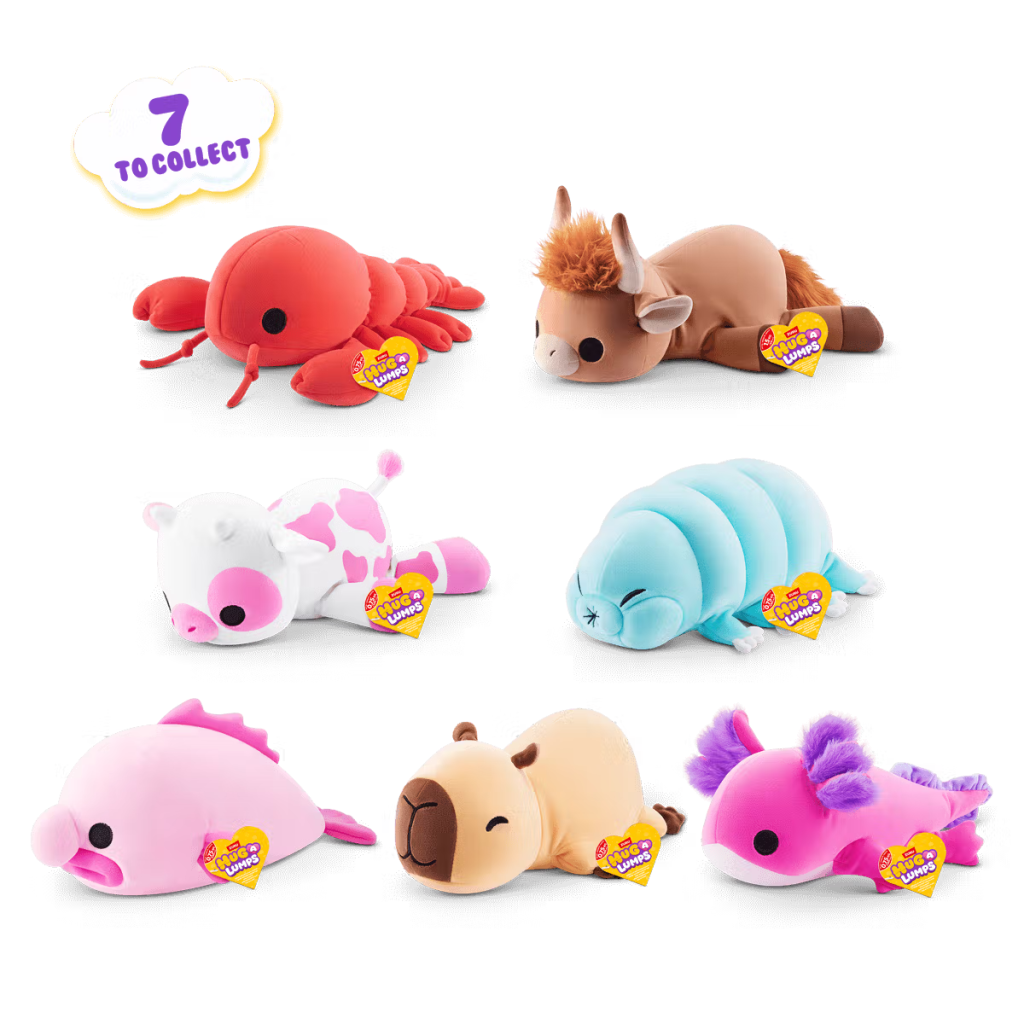
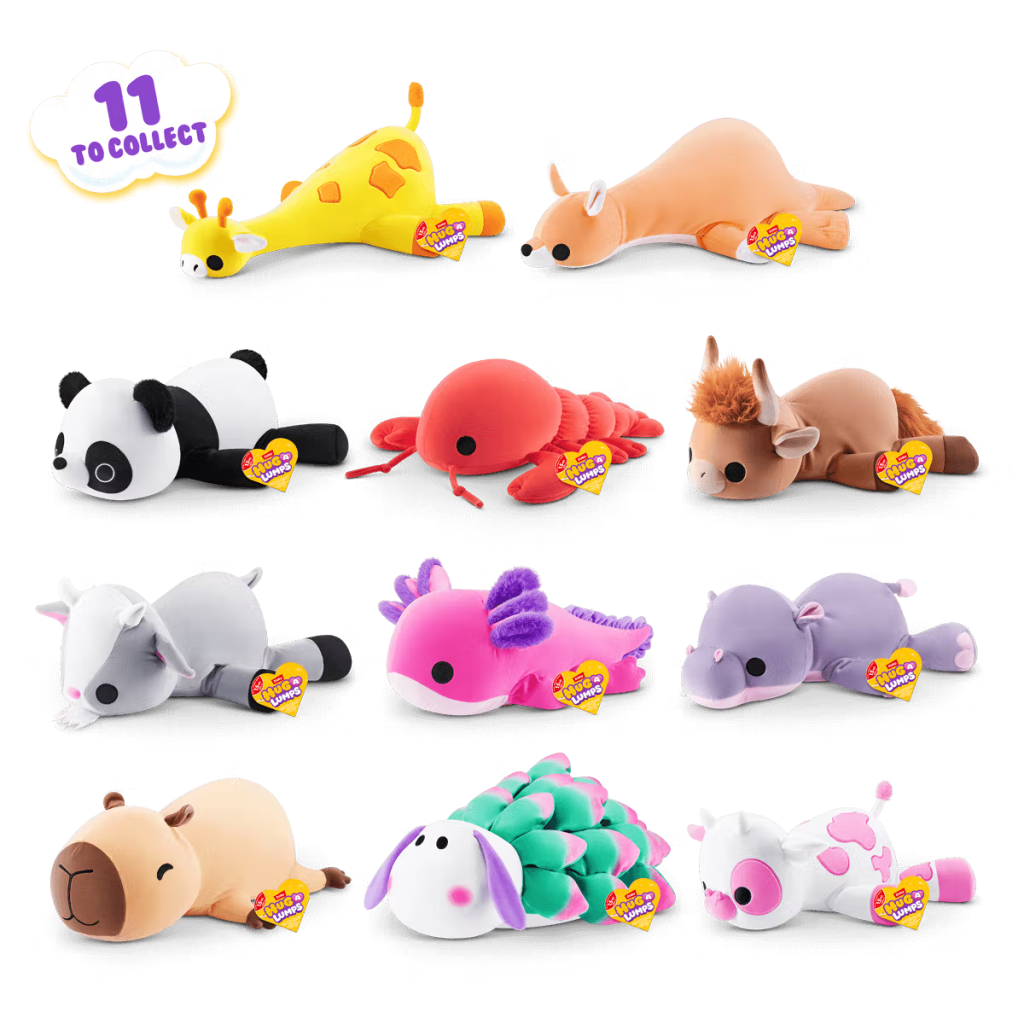
From a personal perspective, my son uses the medium sized Hug-A-Lumps which weigh 1.5kg, the smaller version pictured above weigh .75kg. He finds these weighted toys extremely comforting and uses them all day to help with his regulation as he has high levels of anxiety. I also use the smaller version of Hug-A-Lumps in my classroom practice with year 3 and 4 students, these are very popular and widely used by the students, especially those who are neurotypical. They promote better focus and regulation throughout the day, while looking cute and not at all out of place within a primary classroom environment.

Calming Sensory Strategies

Here are some simple yet effective calming strategies to help your kids regulate when overwhelmed:

Music Playing gentle music is soothing and allows the brain to fall back into a gentle pattern.

Other Sounds Waterfalls, soft drumming, nature sounds – try finding them on YouTube.

Lighting Soft lighting – fairy or dimmable night lights.

Mindful Colouring or reading.

Connect with Nature Go for a walk, create a treasure hunt and collect different objects you find or play a game of ISpy.

A mindful walk Listening to the sounds around you, looking at colours, taking in the different smells.

Playing with balloons Keep the balloon off the ground but have them move slowly and gently.

Texture bag Place several small objects in a bag. Have your child reach in and touch an object, one at a time, and describe what they are touching.

Apps To Help Gross Motor Skills

iPad apps don’t have to be just about sitting in front of screen. These apps recommended by Source Kids encourage movement and a chance to practice some key motor skills.

Kids Yogaverse: I Am Love

GONOODLE: Make screen time active with 300+ dance videos, yoga exercises, and mindfulness activities for kids! GoNoodle was developed by a team of seasoned designers, educators, child development specialists, and researchers.

JUMP JUMP FROGGY 2: Get a jump start on physical fitness and fundamental mathematical concepts while exercising body and mind with Flip the Frog and his colourful friends. Your physical motion in the real world controls the action simply hold your device in your hands and jump! The higher you jump, the higher the frog jumps!

DEM DANCING BONES: Learn anatomy while you move and groove together! Dem Dancing Bones is a hilarious take on the well known traditional anatomy song. Your kids will absolutely love the funny dances performed by this cartoon Skeleton named Mr. Bones.

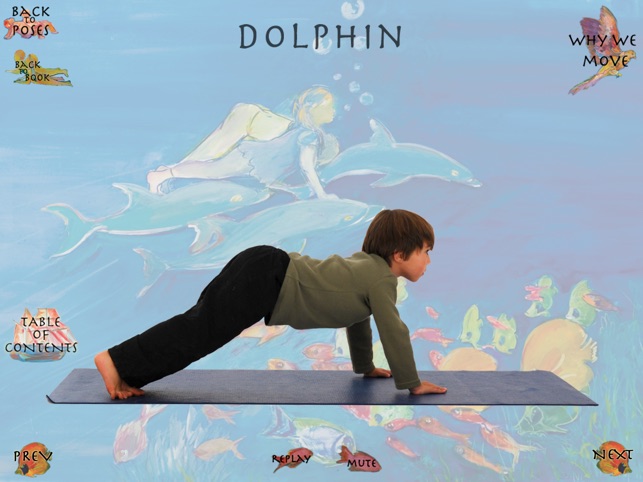
KIDS YOGAVERSE: I AM LOVE: The iPad app teaches 13 poses and breathing techniques set to music with vibrant backdrops. We step onto our magic mat and fly through the ancient lands of Egypt. We are as strong as a mountain, as silly as a Laughing Dove and as playful as a dolphin. Dive deep into the Red Sea to discover indigenous curiosities, like a long-lost sphinx!

SWORKIT KIDS: Within the popular Sworkit workout app there is a free kids workout section with a variety of fun workouts to help get those wiggles and giggles out. With each exercise presented visually, the app guides students through exercise routines focusing on strength, agility, flexibility, and balance, such as doing the crab crawl, squats, or side plank.

SUPER STRETCH YOGA: Move, play and breathe as Super Stretch introduces you to his friends and their yoga poses. Super Stretch is your guide who takes you on your journey. Using storytelling, animation and video examples, kids enjoy making NAMASTE a part of their day.

School Holiday Survival Guide

As the summer holidays approach, this time can be a cause of anxiety for children who are out of routine for 8 weeks as well as their parents and caregivers who may struggle to find things to do.

When you have the added stress of having a child with a disability, activities which other children and their families find fun could have the complete opposite affect due to extra crowd numbers and noise.

Every child is different, so finding the right activity is important. Here are some Adelaide (and surrounds) based activities to consider:

AT HOME

  • Arts and Craft – craft activities, painting, drawing, stickers, chalk
  • Water Play – buckets, cups, boats, balls, paintbrushes
  • Build a Castle – pillows, chairs, table, sheets
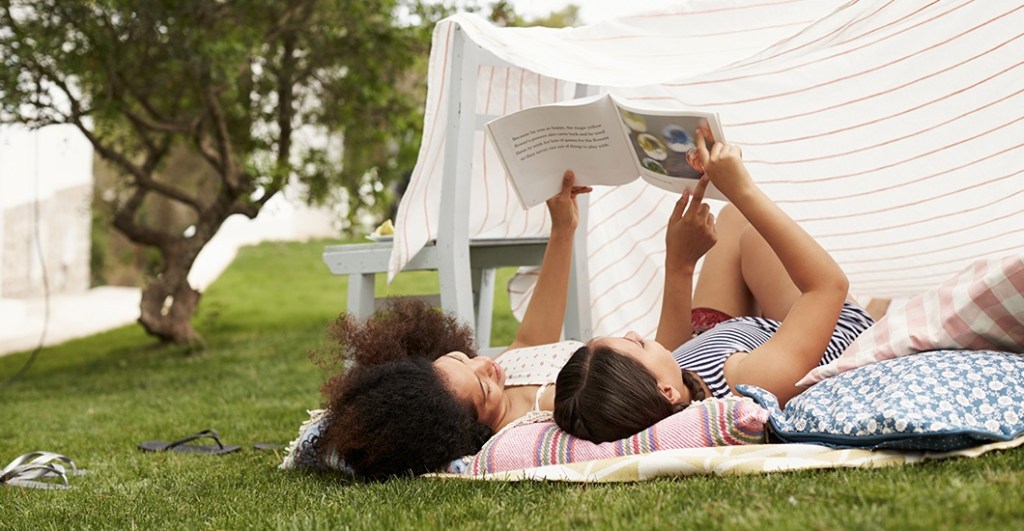
  • Create a Reading/Play Nook – move furniture, blankets, pillows, books
  • Sensory Play – shaving foam, play-doh, floof, slime, magnetic sand
  • Gross Motor Play – trampoline, fitball, musical instruments
  • Cooking

FREE COMMUNITY ACTIVITIES

PAID COMMUNITY ACTIVITIES

Music

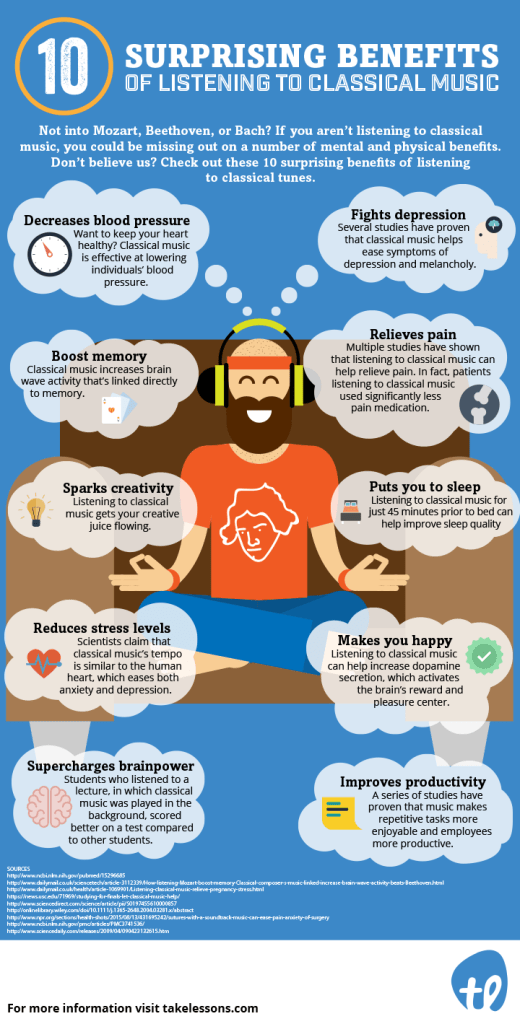
Listening and playing music has many benefits for our wellbeing, physical health and emotional regulation. It can keep us feeling happy, motivated and ease symptoms of depression.

While the above graphic references classical music, there is power in all types of music if it is enjoyed. Teenagers and small children are often drawn to and enjoy listening to music through YouTube, television, movies and gaming. And while the mode of sharing music is mostly digital or online in the modern world, it is possible to access the classics from previous generations if this is what you enjoy.

It is important to find music that you enjoy and a good place to find new music is to look on the current charts, take note of music you hear in the shows you like and look up songs and albums written and performed by the same artists. You can do this for free on platforms such as YouTube and Spotify. Add some headphones (noise cancelling if you want to remove environmental noise distractions), get listening and enjoy the benefits.