Weighted Toys (Anxiety Strategies)

Weighted toys, such as weighted soft toys or lap pads, can help ease anxiety through something called deep pressure stimulation. This is the same principle behind weighted blankets. Deep pressure is also associated with the release of serotonin and dopamine, chemicals that support mood and wellbeing. Serotonin is a precursor to melatonin, which helps explain why weighted items can also improve sleep.

When gentle, evenly distributed pressure is placed on the body, it stimulates pressure receptors in the skin. These receptors send signals to the brain that activate the parasympathetic nervous system, our “rest and digest” system. This can slow the heart rate, lower blood pressure, reduce cortisol (the stress hormone), and create a sense of calm and safety. In simple terms, the body receives the message that it is safe.

For children and adults who experience sensory processing differences or heightened anxiety, steady, predictable pressure provides important proprioceptive input, or body awareness. This grounding sensation can reduce fight or flight responses and help the nervous system settle. For this reason, weighted toys are often used in autism support, ADHD regulation, trauma-informed settings, and for generalised anxiety.

There is also a psychological component. Holding something weighted can feel containing and secure, similar to a firm hug. Physical containment often supports emotional containment. Research on weighted blankets and deep pressure therapy shows reduced physiological arousal, improved sleep, and reported reductions in anxiety. The evidence is strongest for sensory regulation, with growing support for anxiety management.

Weighted toys work especially well for children because they are portable, non-clinical, and comforting. They combine sensory regulation with emotional reassurance, which can be a powerful support for an anxious nervous system.

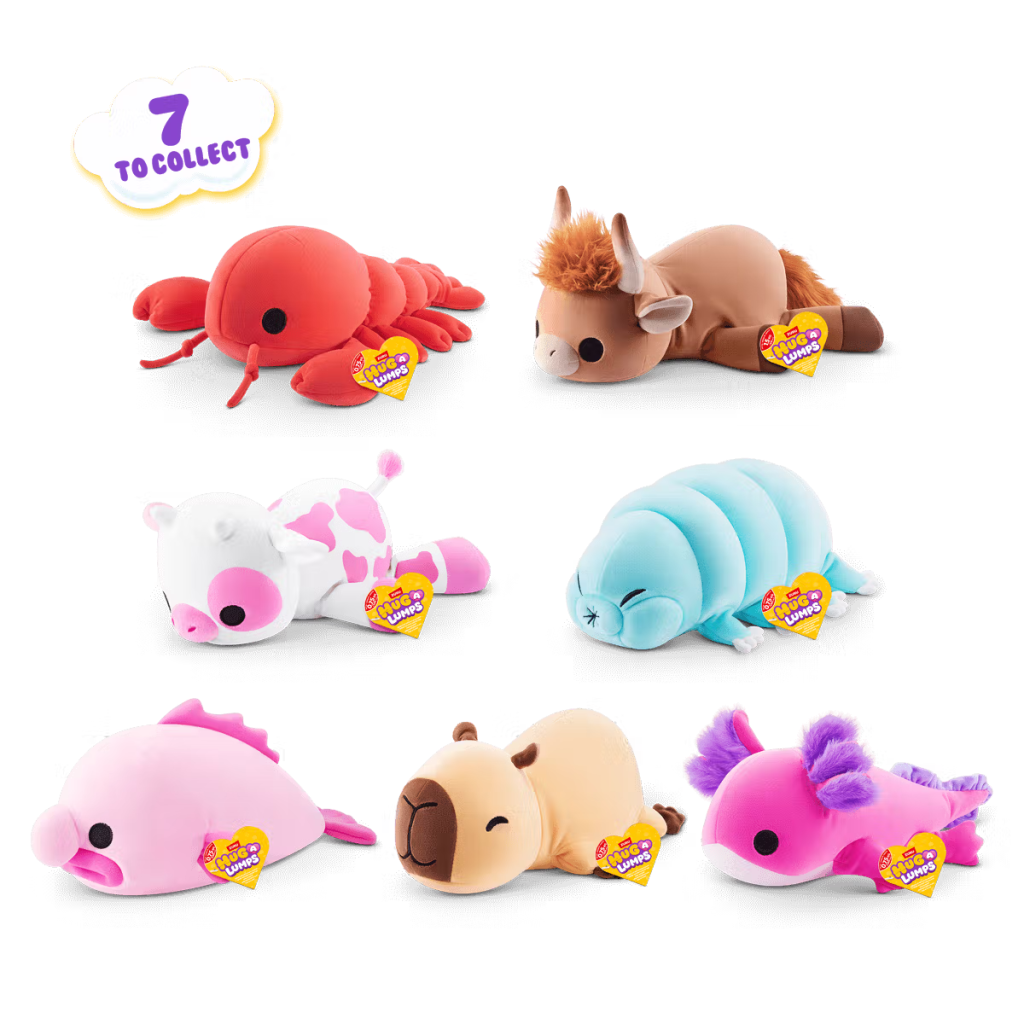
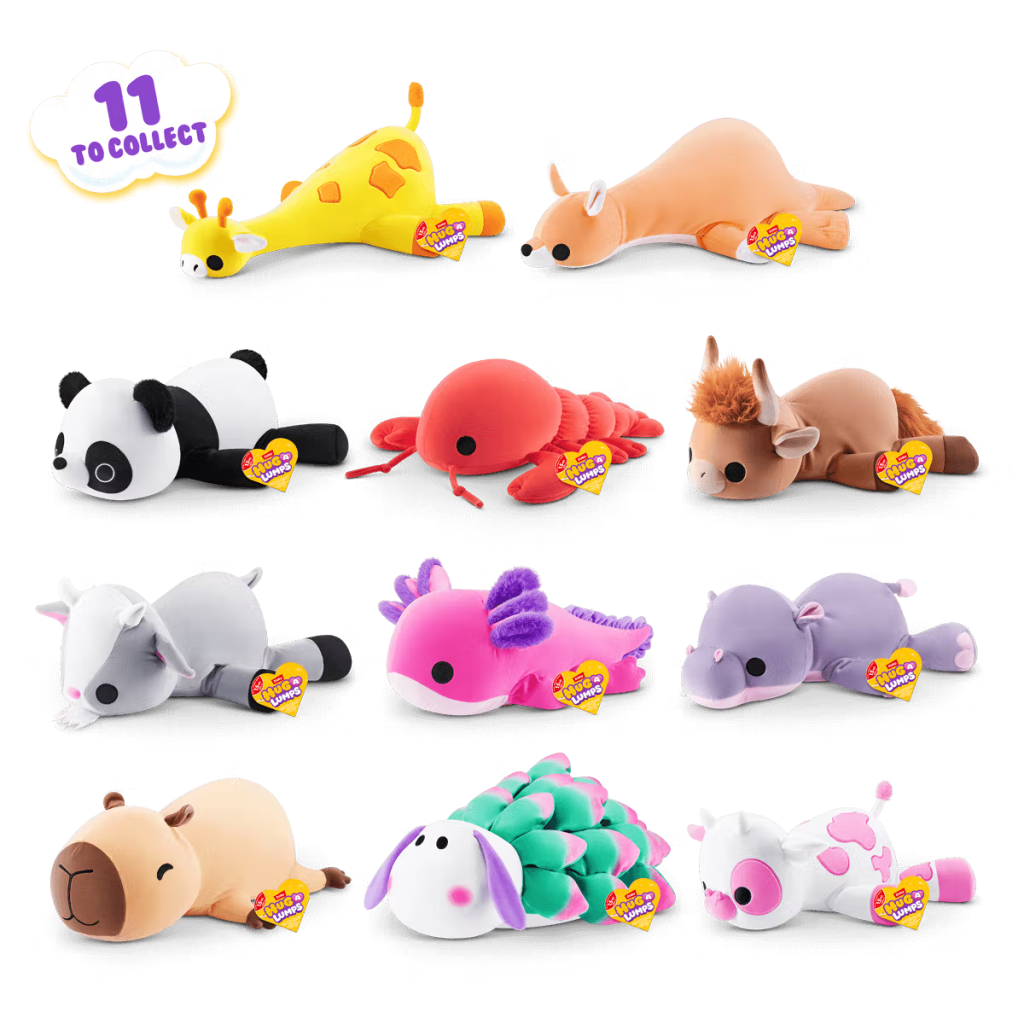
From a personal perspective, my son uses the medium sized Hug-A-Lumps which weigh 1.5kg, the smaller version pictured above weigh .75kg. He finds these weighted toys extremely comforting and uses them all day to help with his regulation as he has high levels of anxiety. I also use the smaller version of Hug-A-Lumps in my classroom practice with year 3 and 4 students, these are very popular and widely used by the students, especially those who are neurotypical. They promote better focus and regulation throughout the day, while looking cute and not at all out of place within a primary classroom environment.

Anxiety Strategies – Box Breathing

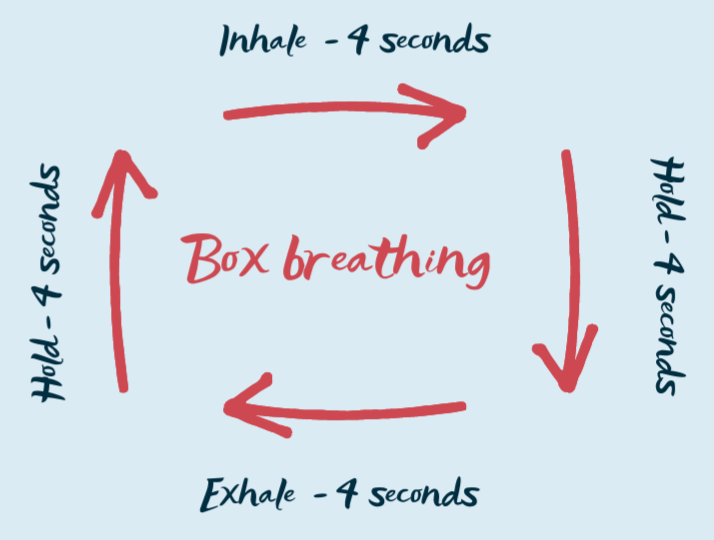
Box breathing is a simple breathing technique that helps calm the nervous system and reduce anxiety. By slowly inhaling, holding, exhaling, and holding again for equal counts, it activates the body’s relaxation response and helps shift us out of “fight or flight” mode.

This steady rhythm can lower heart rate, reduce muscle tension, and create a sense of control during overwhelming moments. For people experiencing anxiety, box breathing provides a practical tool to slow racing thoughts, improve focus, and bring the body and mind back to a more balanced, grounded state.

Here are the simple steps for box breathing:

  1. Inhale slowly through your nose for a count of 4.
  2. Hold your breath for a count of 4.
  3. Exhale slowly through your mouth for a count of 4.
  4. Hold again (with lungs empty) for a count of 4.

Repeat this cycle for 4–6 rounds, or longer if needed. Keep the breath slow, steady, and gentle rather than forced. If helpful, imagine tracing the four sides of a square as you breathe.

There are many videos on YouTube that you can follow to get the right rhythm. Some can guide you verbally like in my first example and others, like in my second example, you will just hear the breath sounds to guide you. Experiment until you find the right guide for you.

Social Stories

The Power of Social Stories

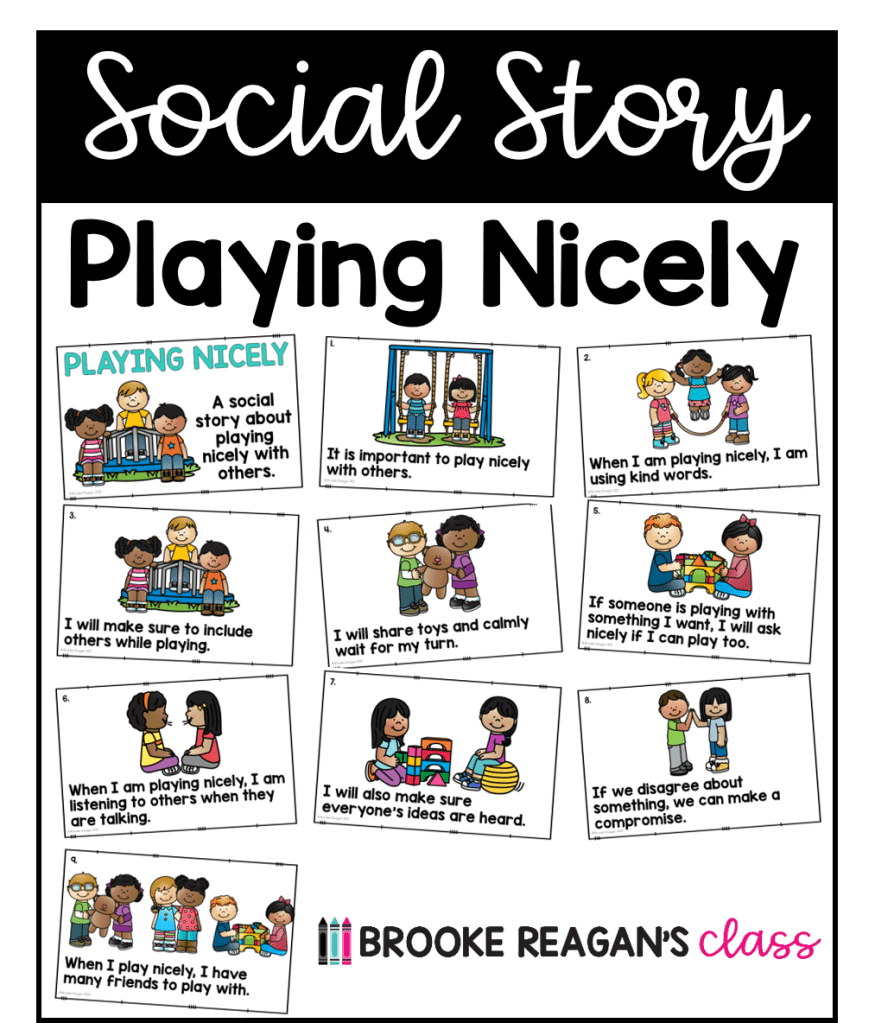
Social stories are a valuable tool for helping individuals living with Neurodiversity (Autism Spectrum Disorder ASD & Attention Deficit Hyperactivity Disorder ADHD navigate social situations. These personalised, narrative based tools explain social scenarios in simple, clear language, breaking down complex interactions into manageable steps. I have used them with great success for my son who has complex needs and is non-verbal. He responds very well to this approach as he likes visuals, particularly personalised photos for new experiences which are unfamiliar to him.

Why Social Stories Matter:

  1. Enhance Social Understanding: Social stories help individuals understand social norms, cues, and appropriate behaviours in various situations.
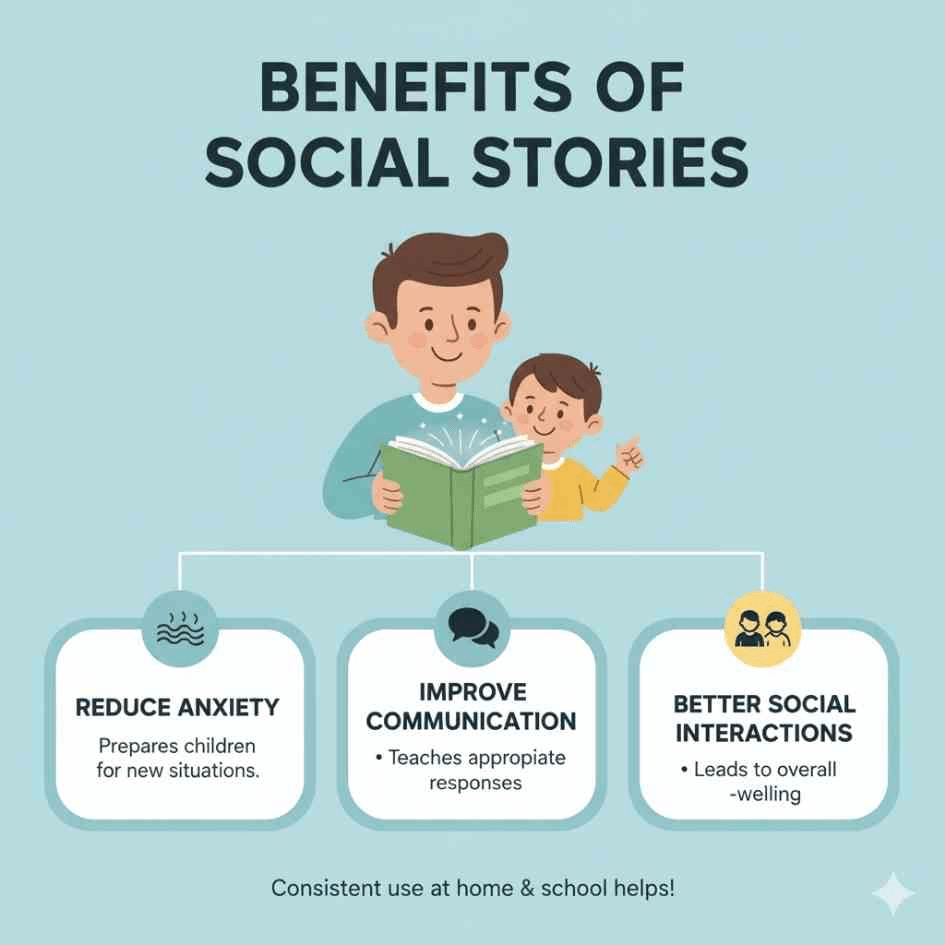
  2. Reduce Anxiety: They provide predictability and clarity, easing anxiety about new or unfamiliar events.
  3. Promote Independence: By offering guidance on how to handle different situations, social stories help individuals build life skills and manage social interactions with less support.
  4. Personalised Learning: Social stories can be tailored to fit the specific needs and challenges of the individual, making them highly adaptable.

How They’re Used:

  • In the Classroom: Teachers can use social stories to explain routines, expectations, and social interactions.
  • At Home: Parents can help children understand outings, everyday tasks and emotions.
  • In Therapy: Therapists use social stories to teach coping strategies and social communication skills.

By breaking down tricky or new social situations into clear, easy-to-follow steps, social stories help individuals feel more confident, reduce stress, and improve social engagement.

You can create a social story using any technology like Word or PowerPoint in the Microsoft Office Suite. There is also an app that you can use: https://apps.apple.com/us/app/social-story-creator-library/id588180598 I have found this app to be very easy to use and it’s easy to add your own photos and text to individualise the story.